Mar 7-13, 2019

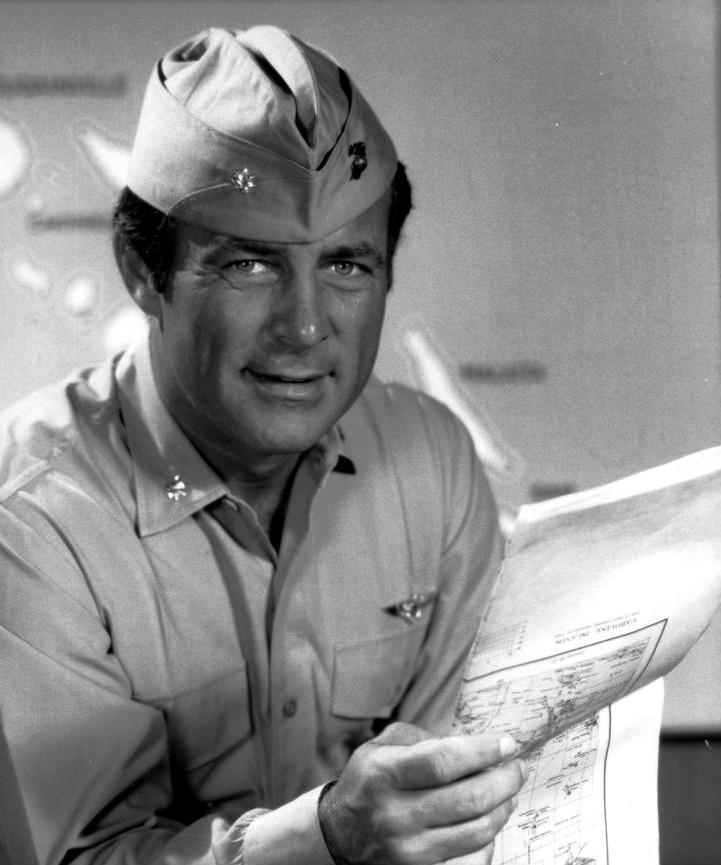
Rabaul... one of those exotic locations you have heard of but never quite figured out where it is. I first heard about Rabaul when watching Black Sheep Squadron reruns on TV as a kid. I loved that show, the flying, and Robert Conrad. I really knew and understood nothing about World War II, nor could I have put a finger on the map where Rabaul was. But after our visit to Rabaul, we saw all the sights.
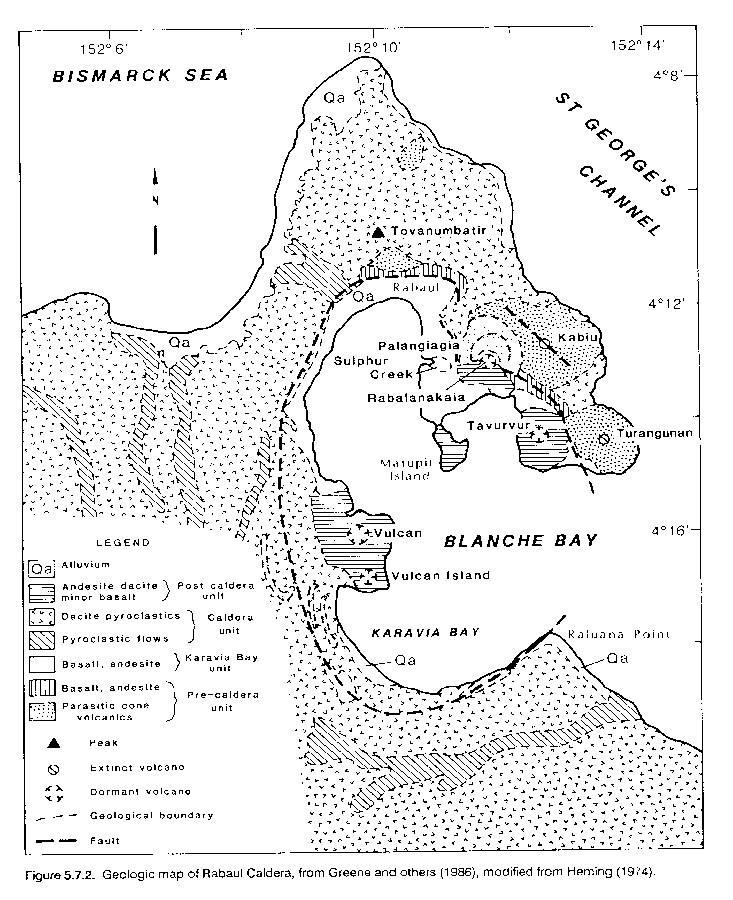
But Rabaul isn't just another World War II spot. Looking at a map, you can see that the entire Simpson Harbor is actually the caldera of an old volcano, which isn't dead yet. It is a very volcanic location that has experienced at least two devastating eruptions. The last one was in 1994 which pretty much destroyed the town. That volcano is still rumbling and smoking. And the town is still there.
 A Geological Sketch of Simpson Harbor (source)
Rabaul also has a long colonial history--the town was first established in 1884 by the Germans, and became the German New Guinea territorial headquarters in 1905. Rabaul was taken over by the British in World War I and became the British Territorial Headquarters for New Guinea until the first major eruption in 1937. But it continued to be a significant port in the western Pacific trade routes until World War II.
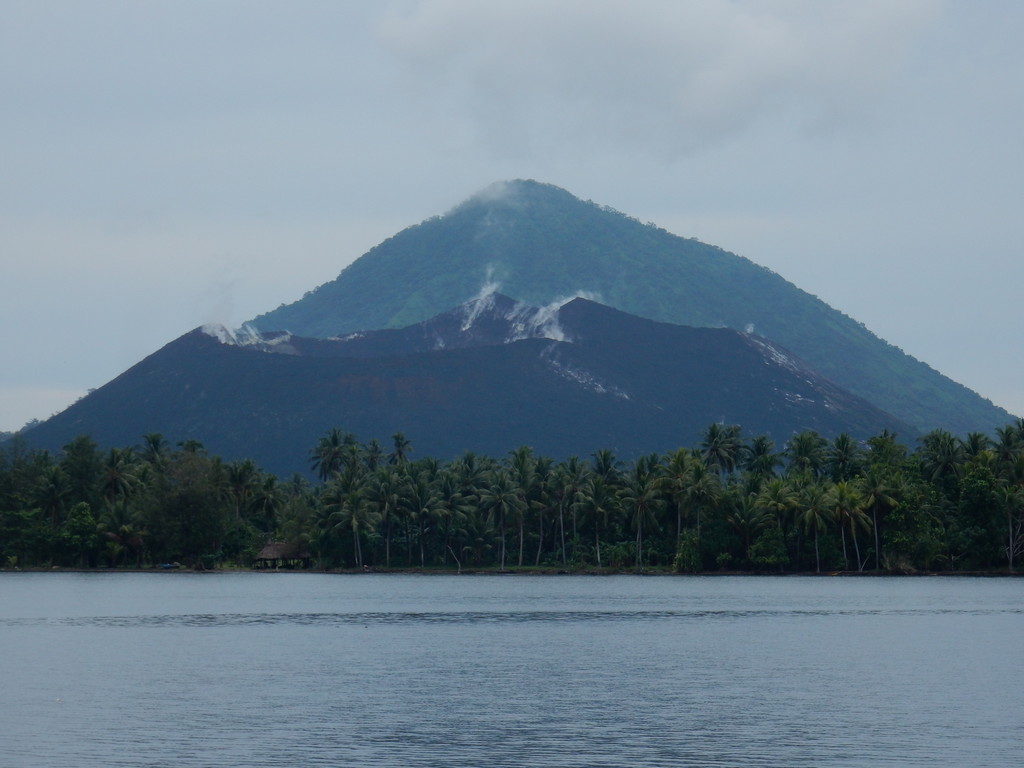
So we were really anticipating our visit to Rabaul. It was only a 20 mile sail from the Duke of Yorks. As you approach Rabaul, you can see the Tavurvir volcano's distinctive shape. Motoring into the harbor, you pass the still smoking volcano that blew its top in 1994. (Later we hiked out to see the volcano up close).
 Our First View of the Tarvurvur Volcano
On arriving in the harbor, we picked up one of Rabaul Yacht Club's moorings at the direction of Rod Pearce, the official RYC greeter for visiting yachts. Rod is quite famous among wreck divers and World War II buffs, as he made a hobby out of finding World War II wrecks, both in the water and ashore. We were pretty excited to meet him.
You can read a little bit about Rod and his exploits here:
World War 2 Wreck Hunter Rod Pearce
and a more personal perspective here:
Wreck Hunter Rod Pearce
All our buddy boats arrived the next day, and it happened to be "steak night" at the yacht club. So we all went in for drinks and dinner.
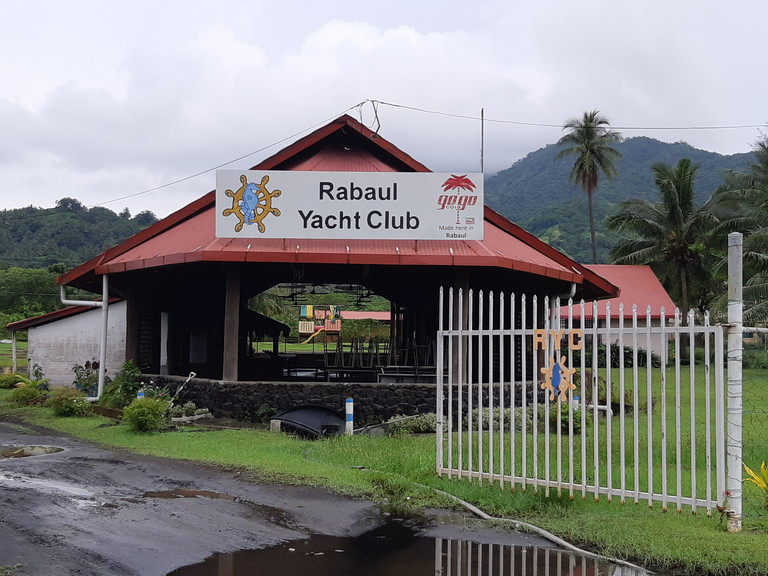
Rabaul had a thriving ex-pat community (mostly Australians) until the 1994 eruption, and RYC was one of the cornerstones of the social scene. After the eruption, the whole section of town where the yacht club was was covered meters deep in volcanic ash. Rabaul Yacht Club was one of the few facilities that escaped being crushed by the ash. But it has never recovered its former glory. Almost all the old ex-pats have died or gone home.

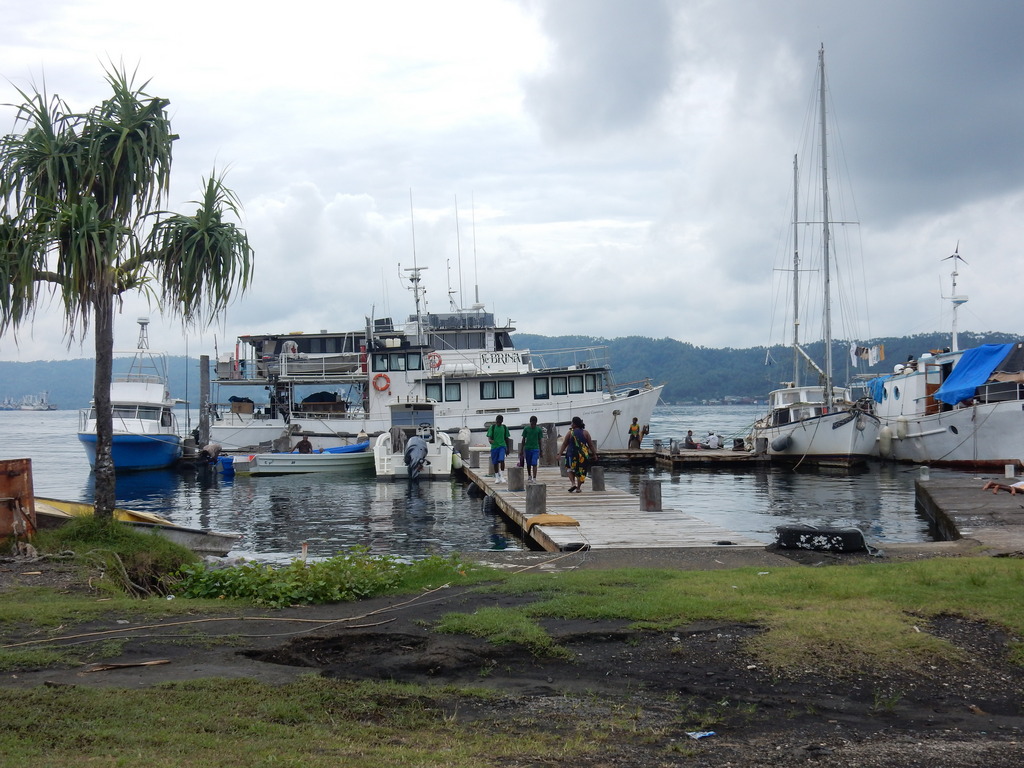
 The Rabaul Yacht Club
We spent a week there on the mooring at Rabaul Yacht Club. There is no fee for the mooring if you are staying a short while, but they expect you to come in and buy a few beers at the bar and come to their Friday night dinner (the only time they serve food at the yacht club). The dinner has good food for a reasonable price. You can leave your dinghy safely at the YC dock, there is wifi in the bar, and you can dispose of trash.
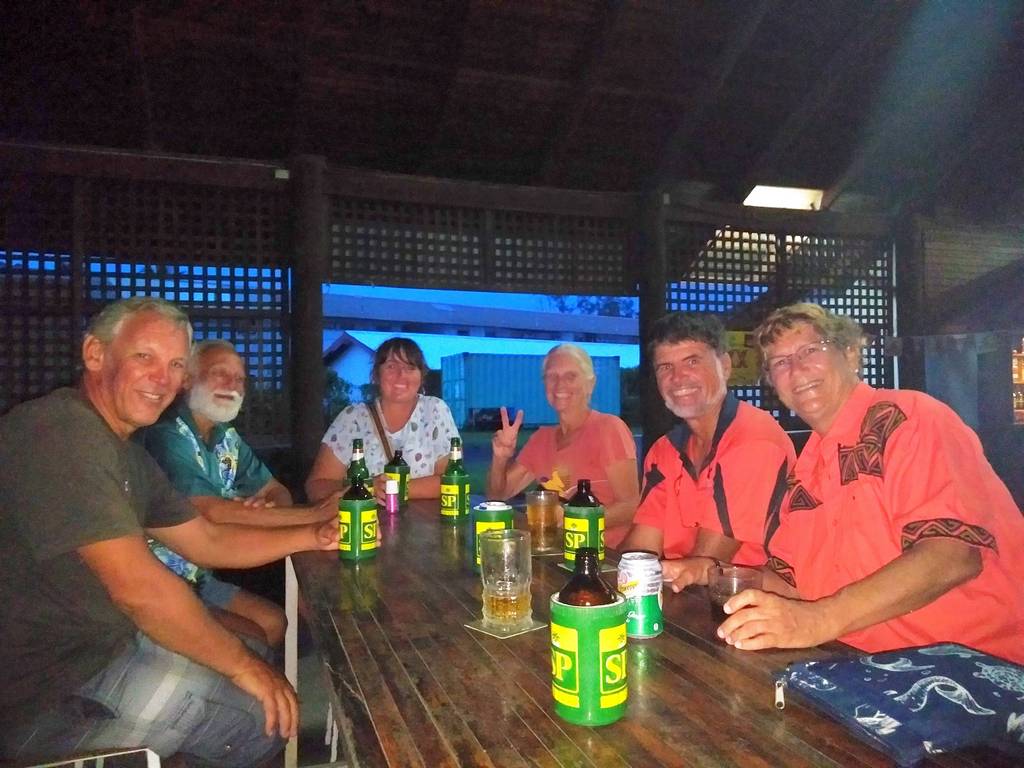
 The Gang Enjoying A Round of Bevvies at the Rabaul YC
If you plan to spend some time in this area of PNG, they encourage you to pay a K200 “temporary membership fee”, which entitles you to membership at the Rabaul Yacht Club for a year. Since we were grateful for the mooring and the hospitality, and planned to come back later in the year, we opted to become a member at Rabaul Yacht Club for a year.
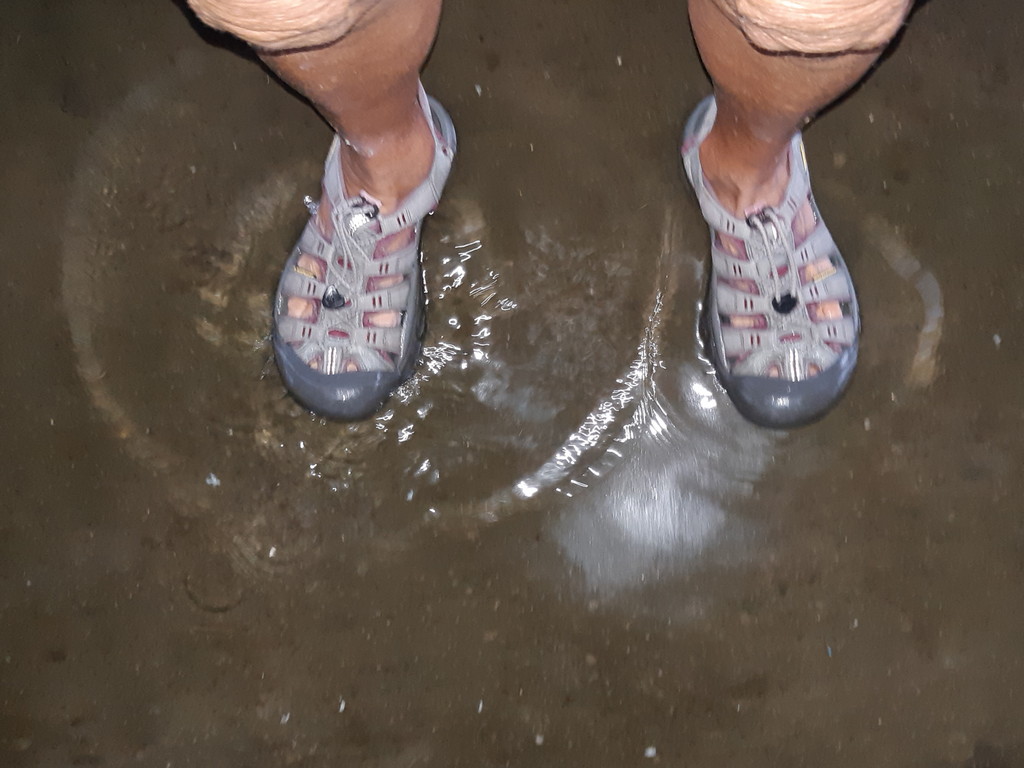
We were surprised to find the "dance floor" part of the yacht club 2 inches deep in water. The ash had piled up enough around the yacht club that if it rained hard, the water didn't drain through like it used to. It had been an extremely rainy preceeding week.
 It's A Bit Damp In Here, Eh Wot?
We spent the first couple of days in Rabaul finishing our check-in to Papua New Guinea, and reprovisioning. We had done a provisional inward clearance at Customs in Kavieng, our first port. When we left Kavieng we got outward clearance for Rabaul (one piece of paper, no cost), which we gave to the Customs guy in Rabaul.
It was easy to catch a shared taxi (in 15-seat vans) into town, for K1 per person (about 30 cents), from the Yacht Club. Sometimes we had to walk out to the road to catch one, but several times, the van would come right down the yacht club driveway to check for passengers. These (route 7A vans) go right into town and drop you off at the market, and right across from one of the biggest grocery stores (SOHO), where there is also a BSP ATM.
Note: best to get to the ATM’s in Rabaul in the morning, as they often run out of cash by mid-day. SOHO supermarket would permit you to get cash back if you bought something from them, if the ATM is not working. Besides the BSP ATM at SOHO, there’s a BSP with 3 ATMs up the street a little way.
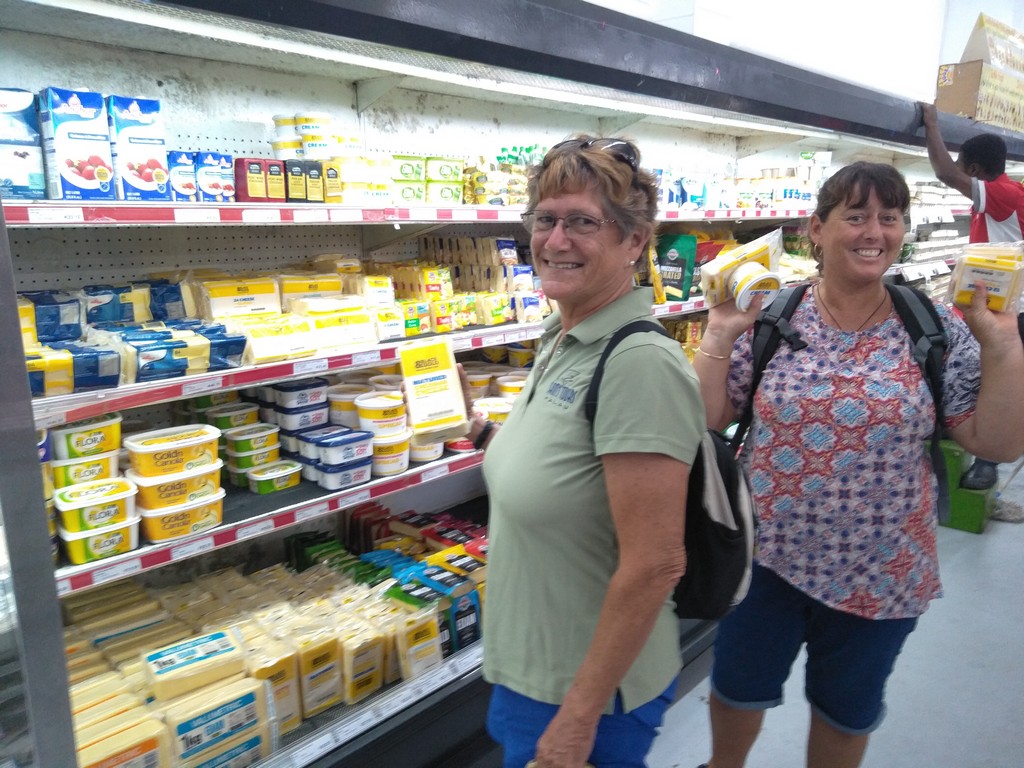
 Well Stocked Anderson's Supermarket in Kokopo
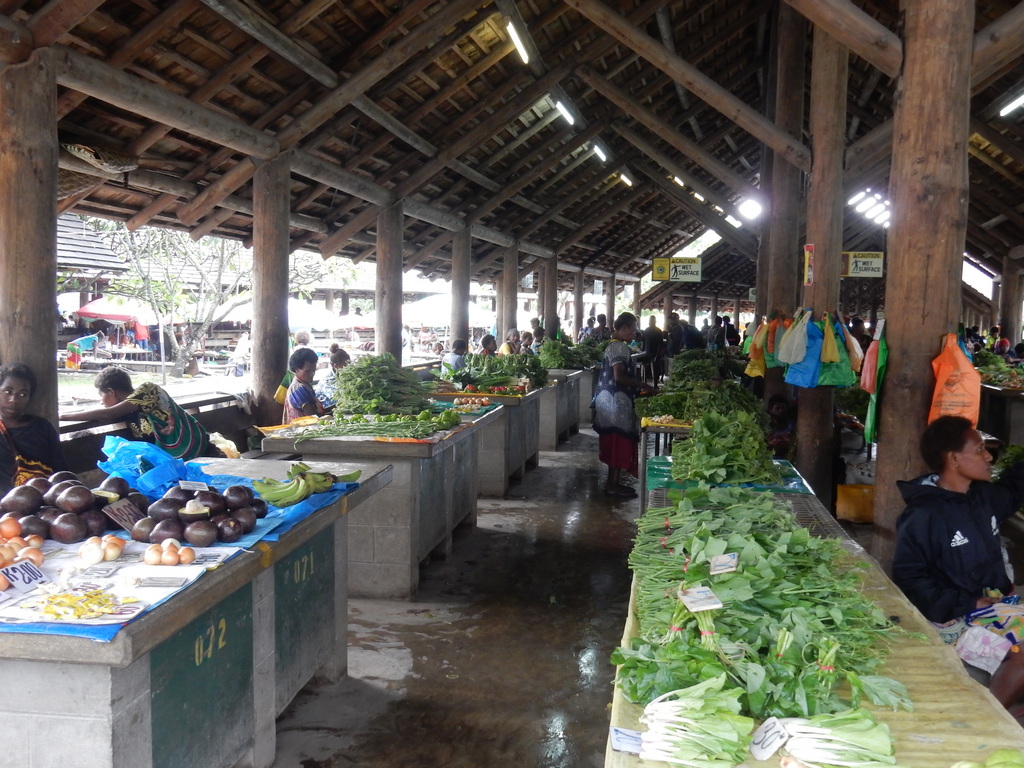
If you want better provisioning, Kokopo has a couple of stores that cater to western tastes, including a great selection of cheese. The fresh market was large and had a wide selection of local fruits and vegetables. The vans going back leave from the van loading area next to the market, just ask someone where the queue for the 7A PMV is. It is possible to take a van from Rabaul into Kokopo, I think it is 1A (but ask at the van area in Rabaul). Not sure the price. But the trip takes about 45 minutes.
 One Section of the Kokopo Market
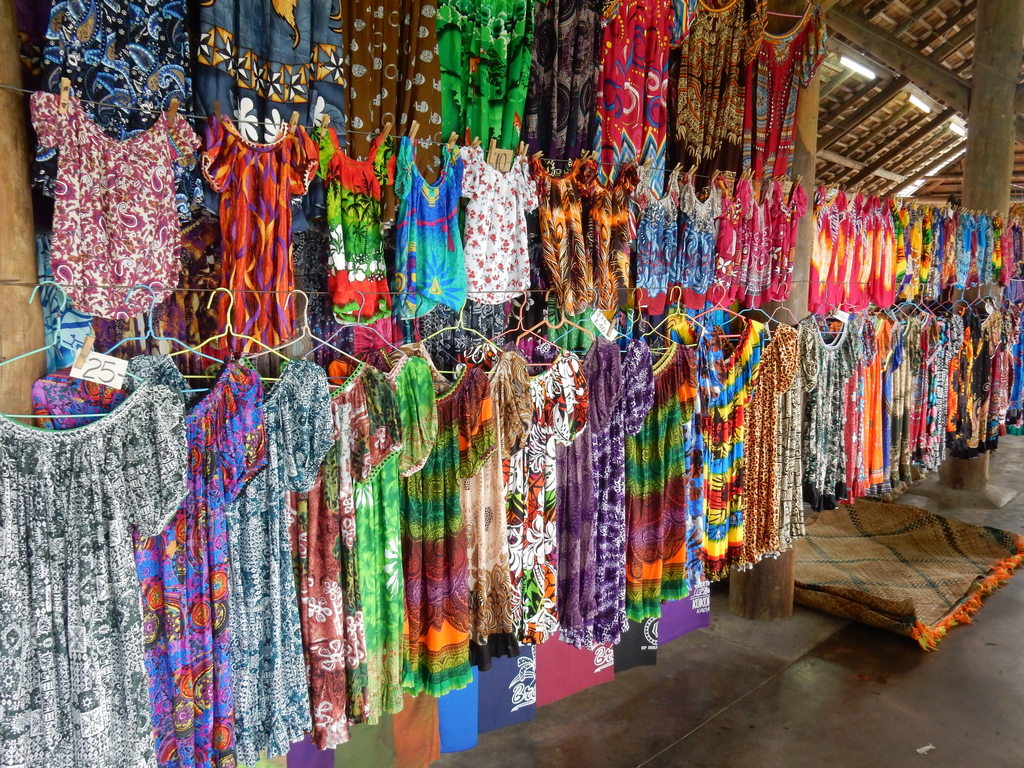
 Handmade Dresses for Sale at the Kokopo Market
Everyone seemed friendly (locals and expats alike). But we did keep asking where it was safe for us to go on our own, and where it wasn’t. We followed their advice and had no problems, with either theft or ugly behavior.
Fuel: You can arrange for diesel to be delivered in 200L drums to the YC dock, and they will bring a small pump to pump it into your boat (rafted alongside the YC dock) or into your jugs. If you want smaller amounts, or want to see your fuel pumped directly from the pump, we hired a van for a half day to take 4 boats’ worth of jugs into MC Seeto for diesel and gasoline. It’s a little cheaper to buy diesel by the barrel, but some of us were gun-shy after bad experiences with delivered fuel in barrels in Indonesia.
You can get your propane bottles refilled at the depot in town (ask Rod what fittings they can accommodate).
We found epoxy and bottom paint (at fairly shocking prices) at MC Seeto, Barlow’s, and another store.
Once we got the necessities out of the way, we managed to fit in a couple of days of tourist activities--seeing the volcano and the World War II sites.
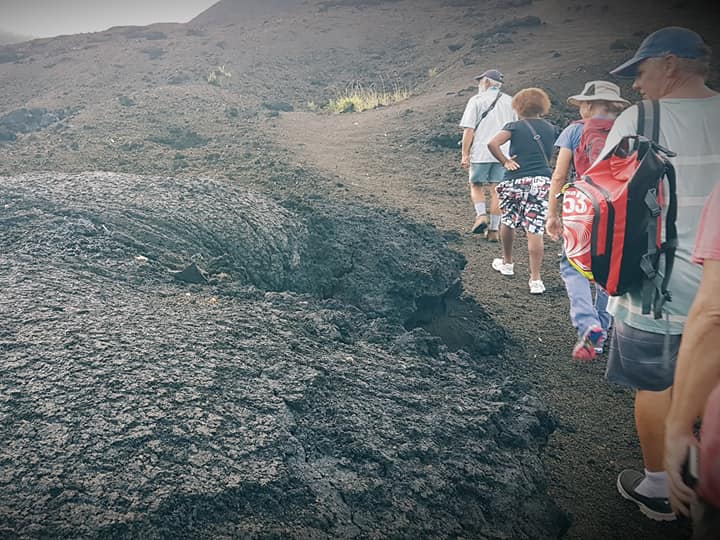
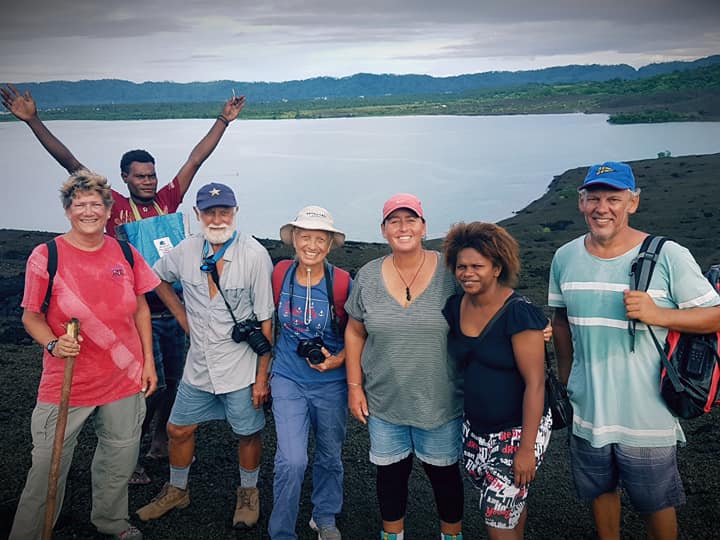
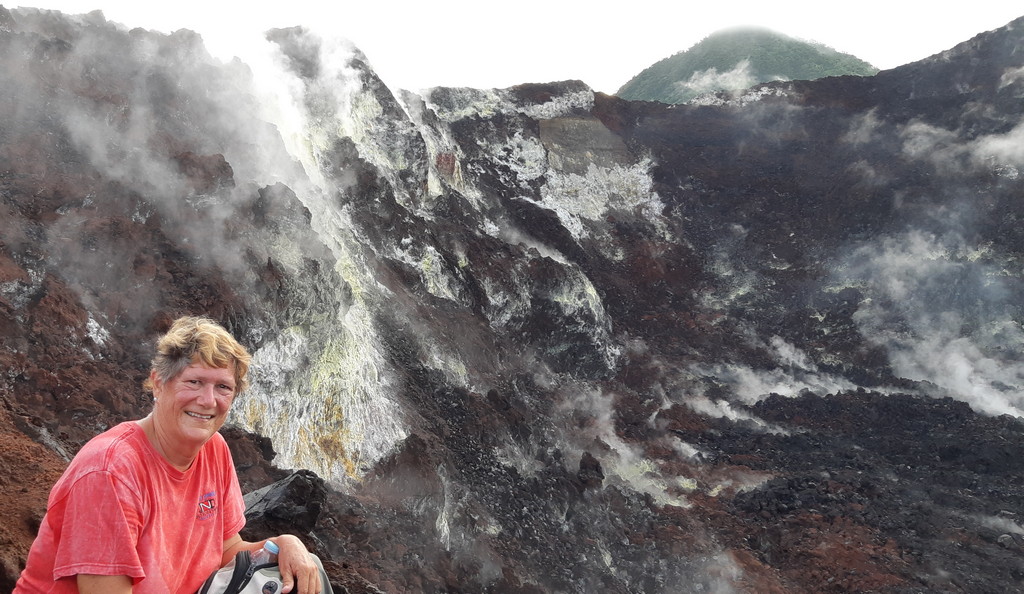
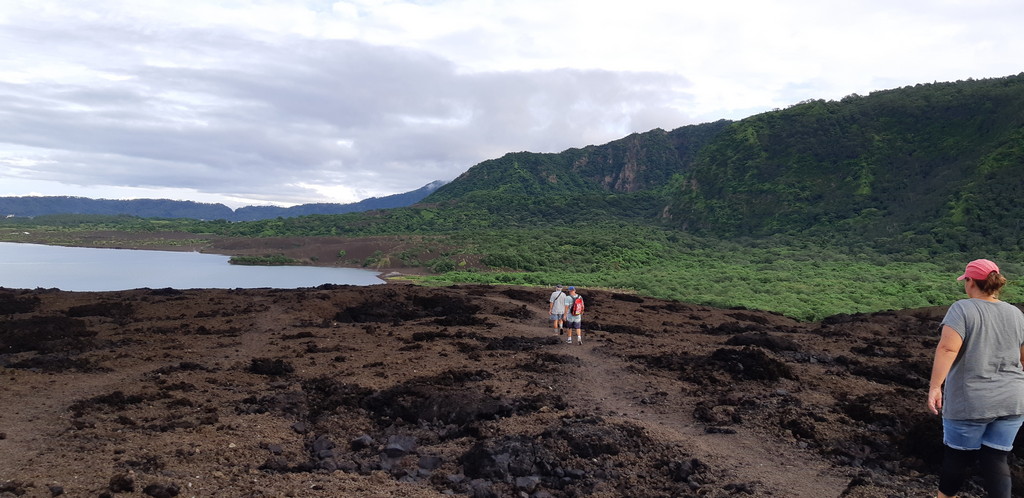
Volcano Hike: We went on a guided hike to see the Tarvurvur volcano, arranged by Liliane at the Rabaul Hotel. That cost K250 for the van and the guides (security) to take us up the mountain. It’s a 15-pax van, so it was perfect for 8 of us. We hiked right up to the rim of the smoking volcano.
 The Early Morning Hike to the Volcano
 We Made It!
 In the Belly of the Volcano
 The Lava Wasteland
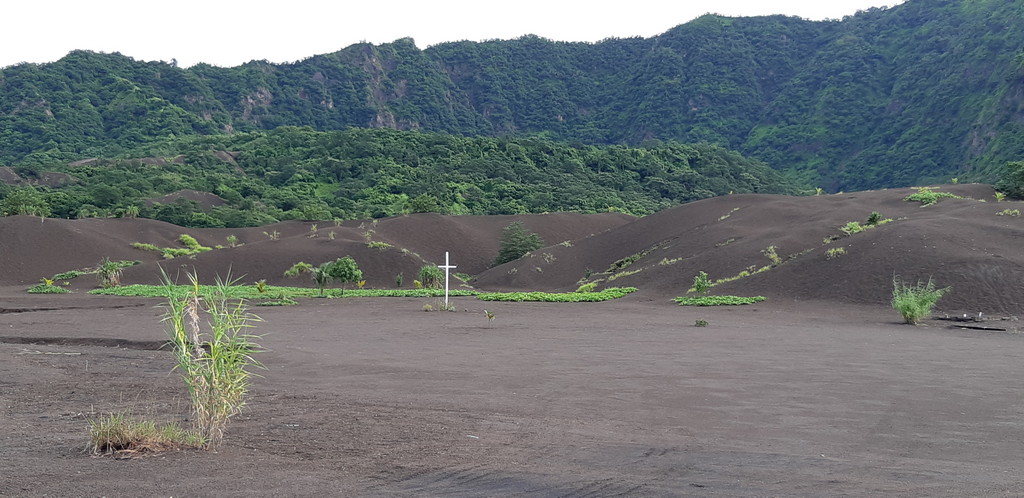
 This Was Once a Thriving Part of Town
They recommend doing the hike first thing in the morning (we left at 5:30am). It is about a 15 minute walk across level ground and a half hour scramble up the hardened lava to get to the rim. Bring good shoes, a walking stick, and good knees.
Day Tour / Historical: We were referred to Suzie at the Rabaul Hotel to arrange a day tour, but her prices were “tourist prices” and we were looking for yachtie prices. We eventually arranged for a van for K200 for the day, and used one of the Rabaul Historical Society members as a tour guide, for another K200. Split 8 ways, this was reasonable for an all day tour, which took us all the way down to Kokopo with a number of stops, both historical and shopping, and up to the Volcano Monitoring Station, which is also a great view of the harbor. Contact Francis, the van owner at 7040 9265 and Rob Rawlinson the tour guide at 7254 3486 to make your own arrangements.
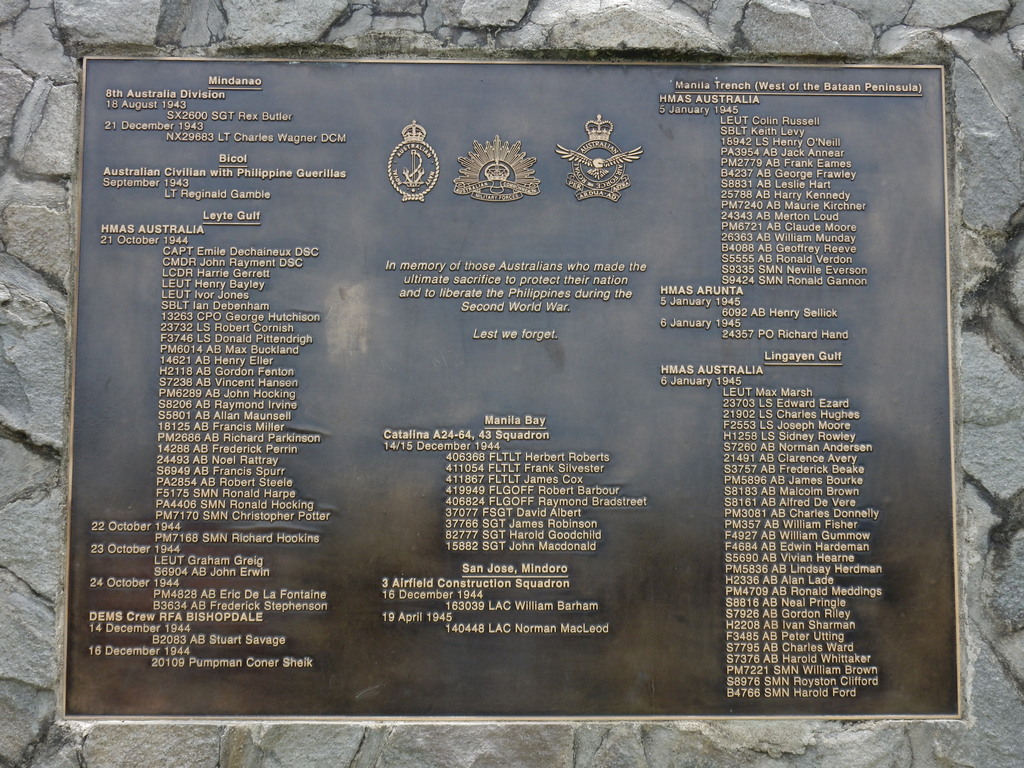
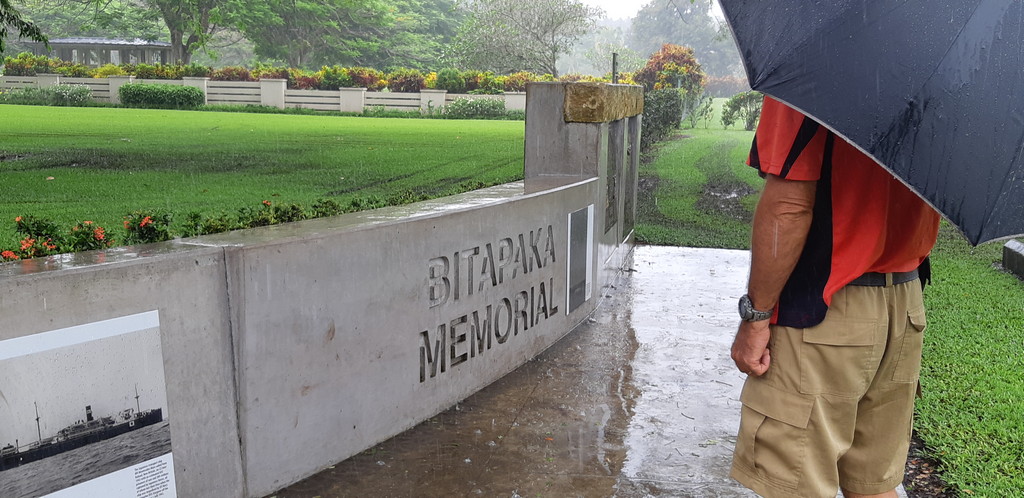
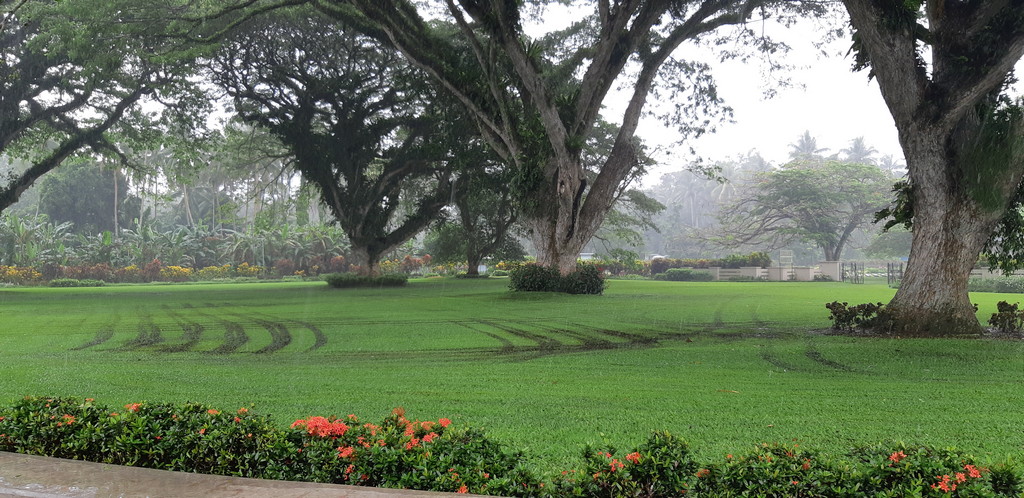
Our first stop was the Bitapaka War Memorial in the rain. We didn't wander around much because of the soggy ground, but it was a beautiful site honoring the Australians who died during World War II, either defending Rabaul when the Japanese first attacked, or during imprisonment during the war.
 Bitapaka War Memorial
 Beautiful Bitapaka War Memorial Grounds
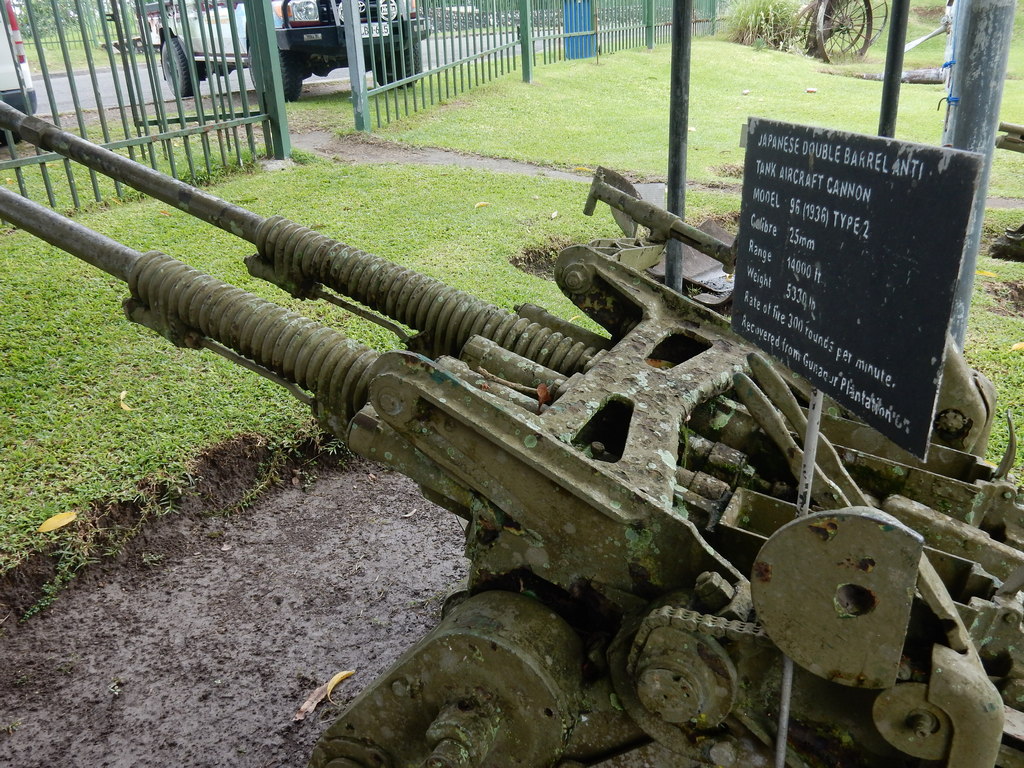
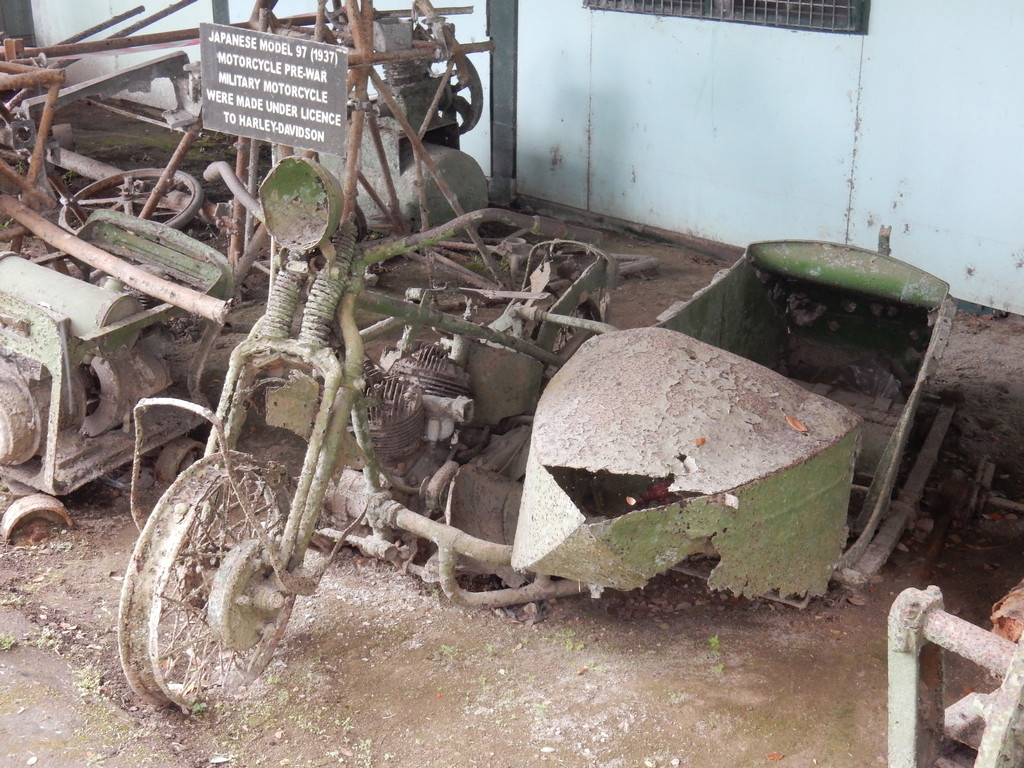
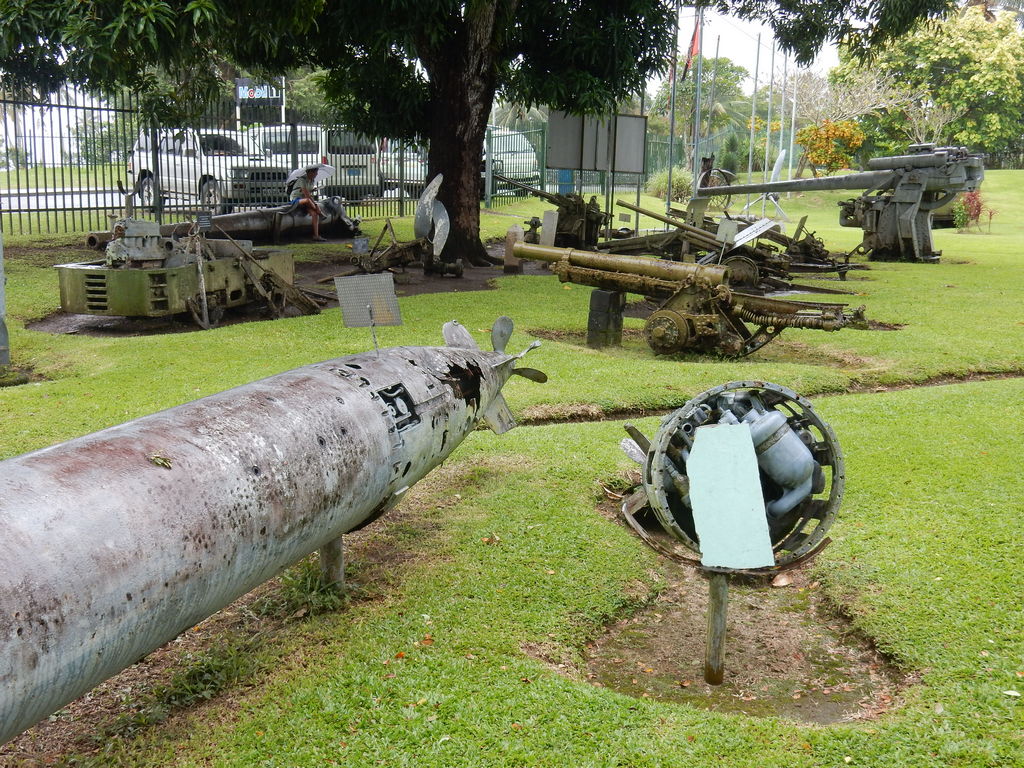
The next stop was the Kokopo Museum. It pained us to see the war relics sitting outside in the rain. A few pieces had descriptive plaques, most did not.
 Kokopo World War II Museum
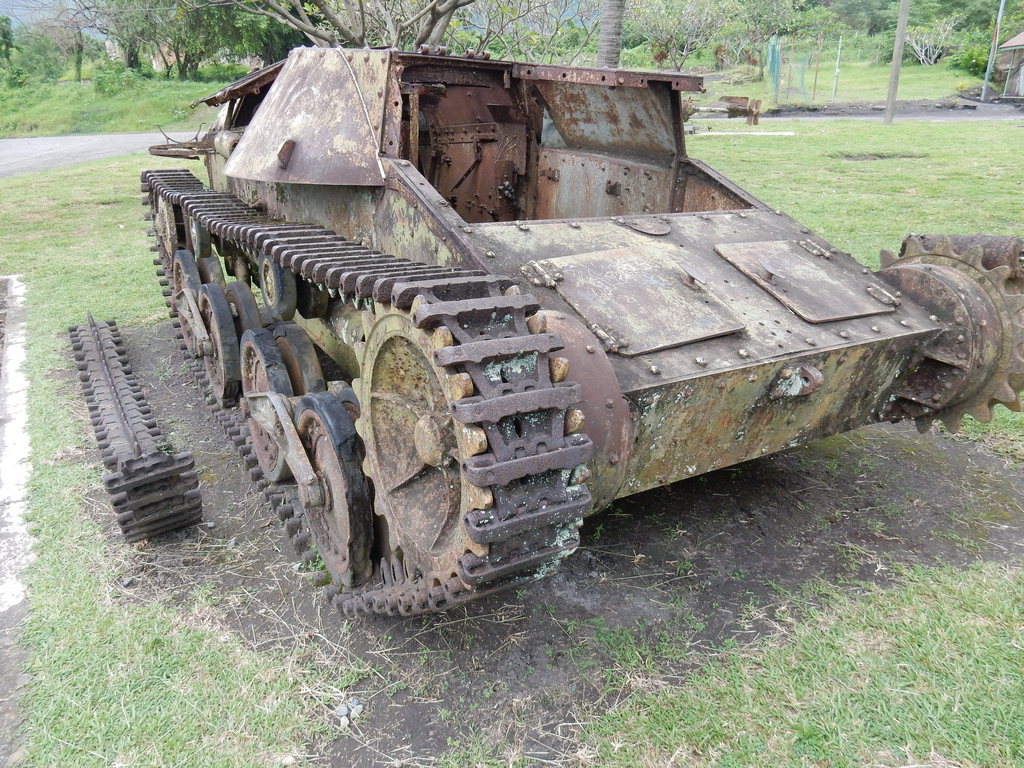
 A World War II Tank Cannon
 Japanese Motorcycle
 Lots More Stuff
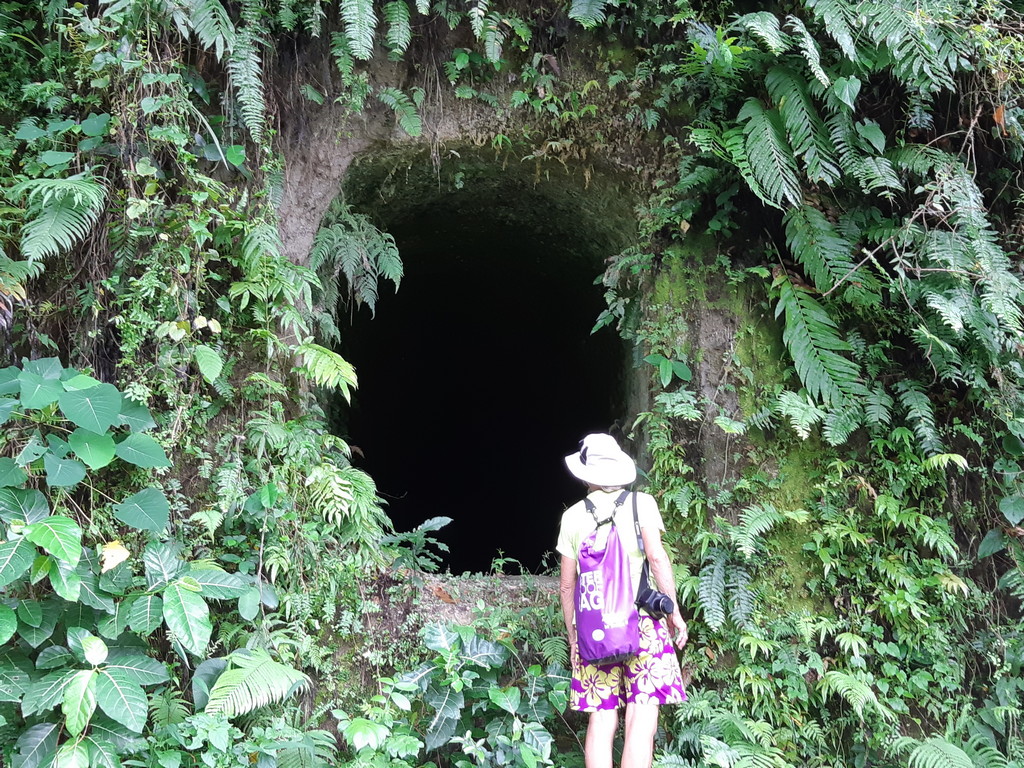
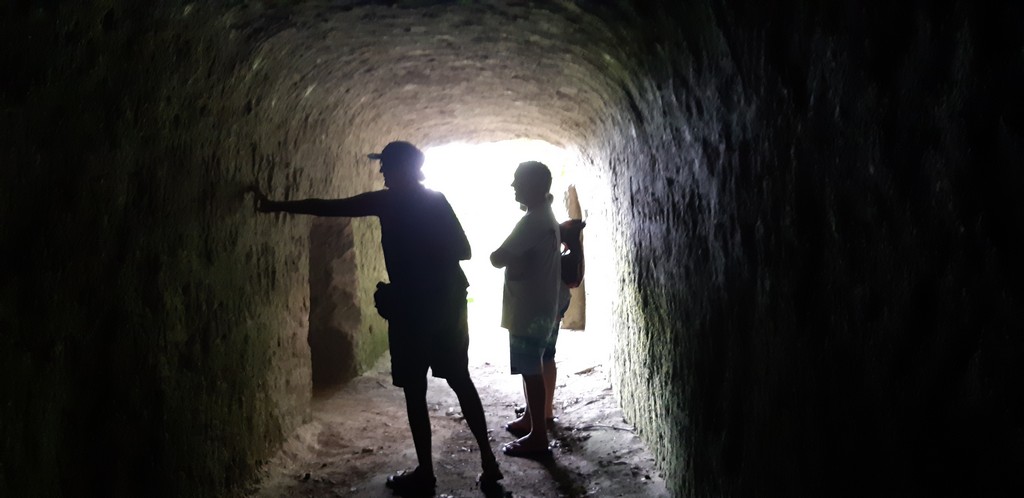
The next stop was at Tunnel Hill. Here was just a small portion of the miles of tunnels excavated by the Japanese in Rabaul during the war. These particular tunnels housed prisoners of war (Australians and New Guineans). They provided the slave labor to build buildings and excavate tunnels for the Japanese. We did not have time on this tour to also visit the Barge Tunnels, but we did see them on our return to Rabaul in October.
 Liz Peers into the First Tunnel
 Sue and Craig Look at the Inscriptions on the Wall
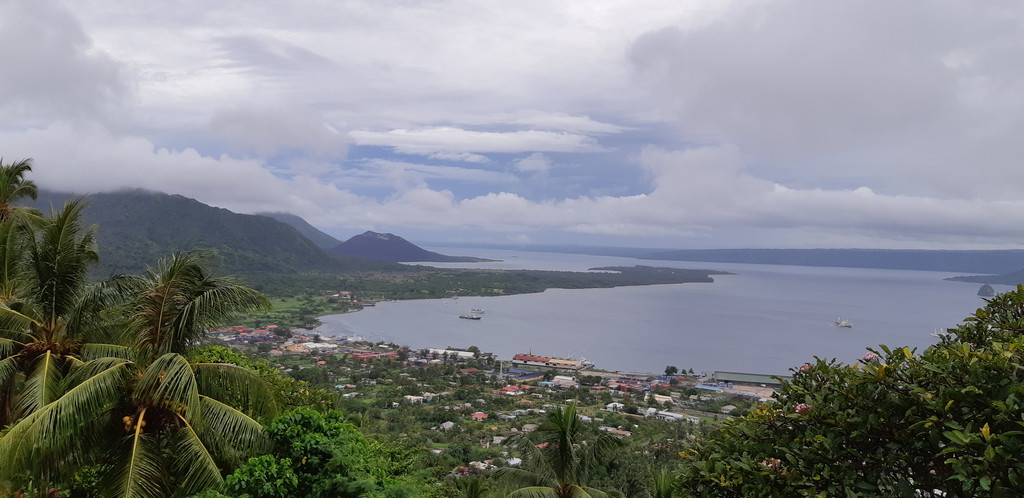
Next was a stop at the Rabaul Volcanological Observatory. This provides a great view of the harbor and some of the volcanos. Plus we had a nice chat with one of the fellows there monitoring the volcanic activity in PNG.
 The Great View of Rabaul
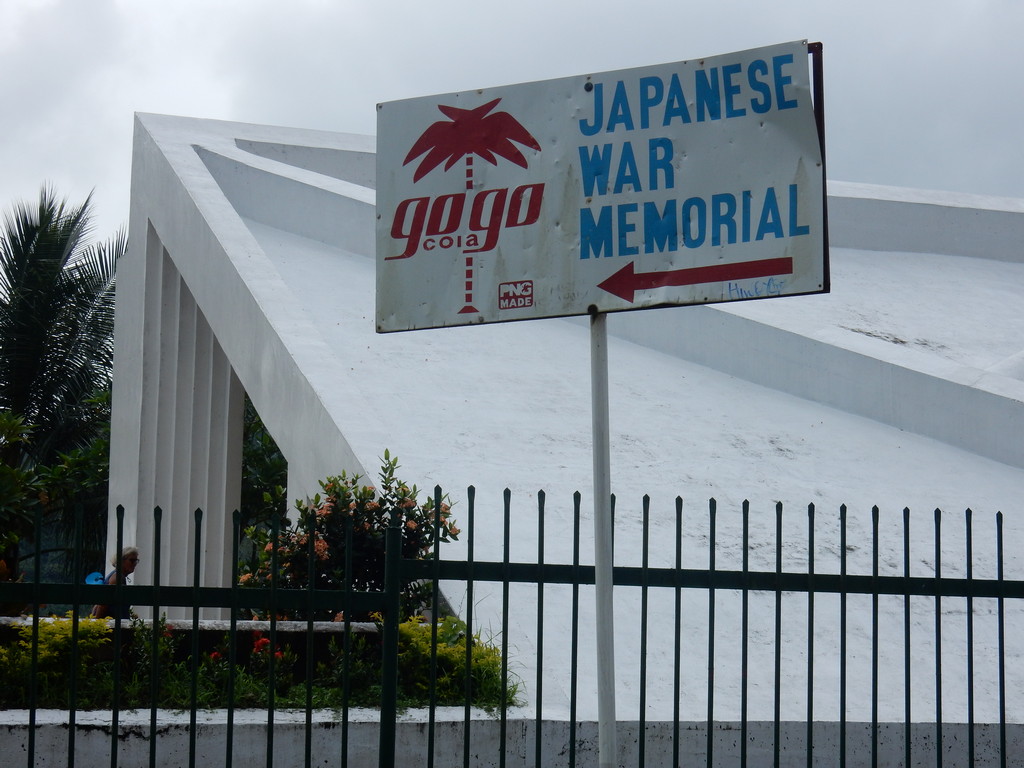
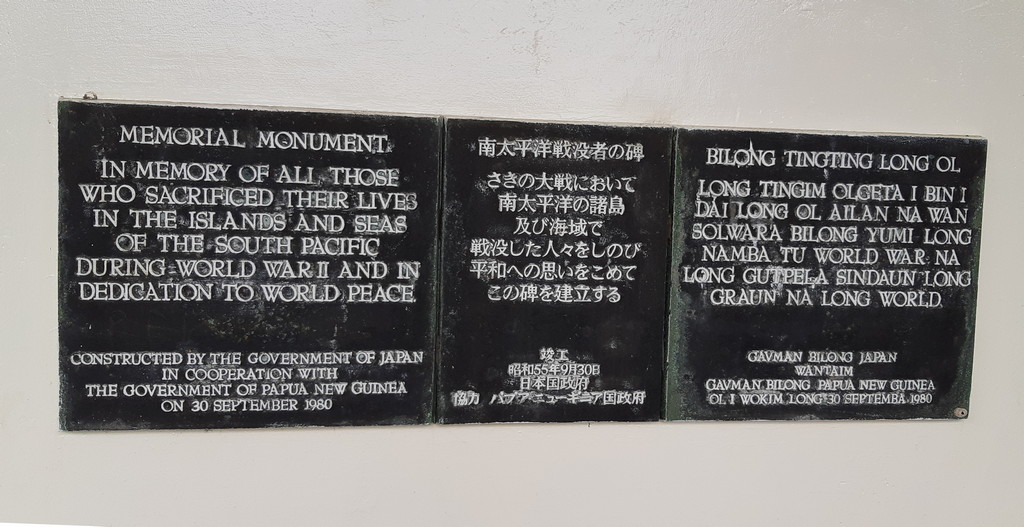
Next was the Japanese War Memorial, erected with Japanese funds.
 The Japanese War Memorial

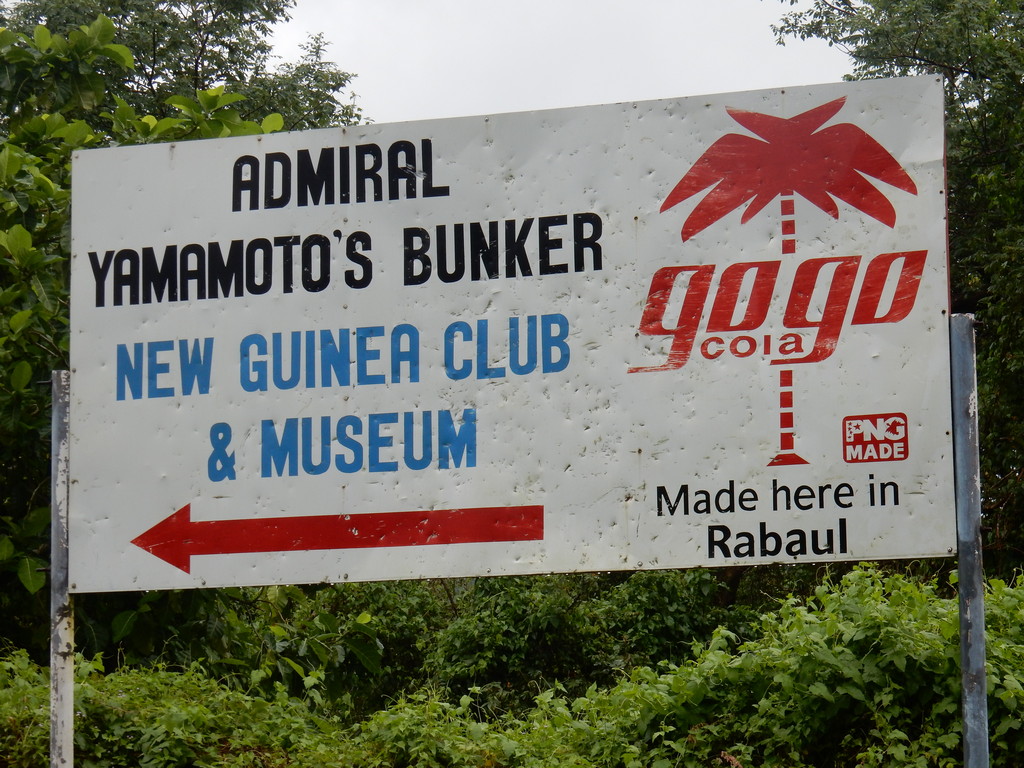
On another day, we arranged a visit to Admiral Yamamoto's Bunker, and the New Guinea Club and Museum. These are within walking distance of the yacht club, but you need to arrange for someone to let you in.
Admiral Yamamoto was the Japanese Admiral who conceived of and executed the surprise attack on Pearl Harbor. He directed the Japanese Naval Effort in the Pacific until his death at American hands while on an inspection tour in New Guinea and the Solomons.
 Yamamoto's Bunker is Close By
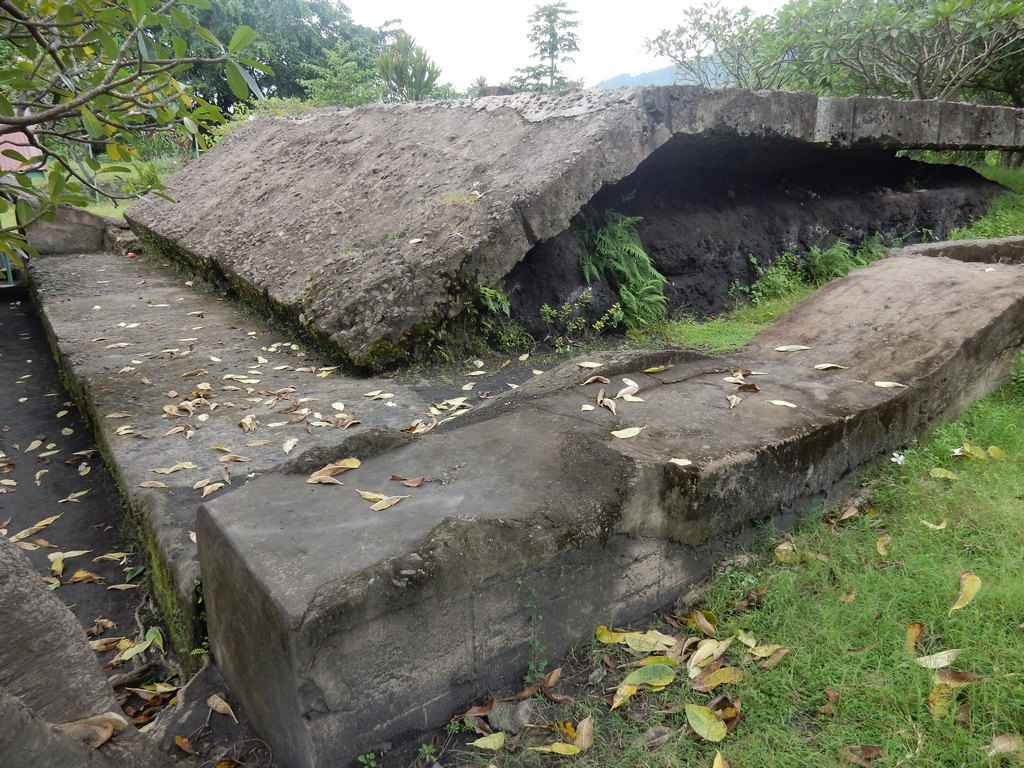
 Massive Concrete Slabs Protect the Bunker
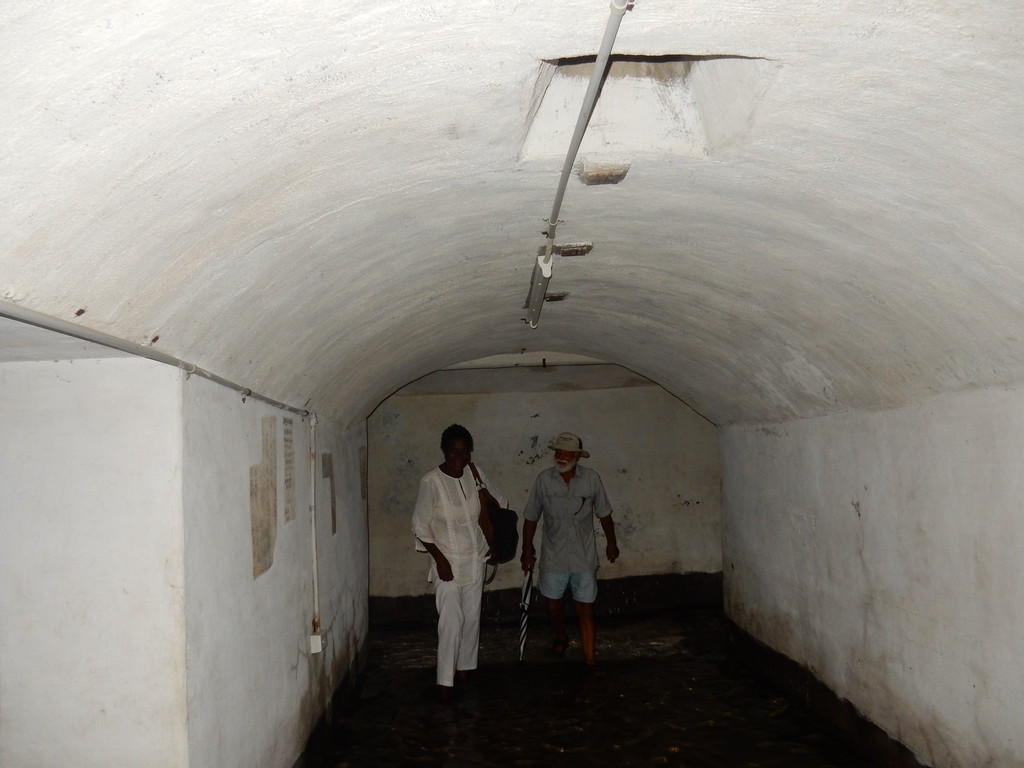
 The Ground is So Wet, We Were Wading Into the Bunker
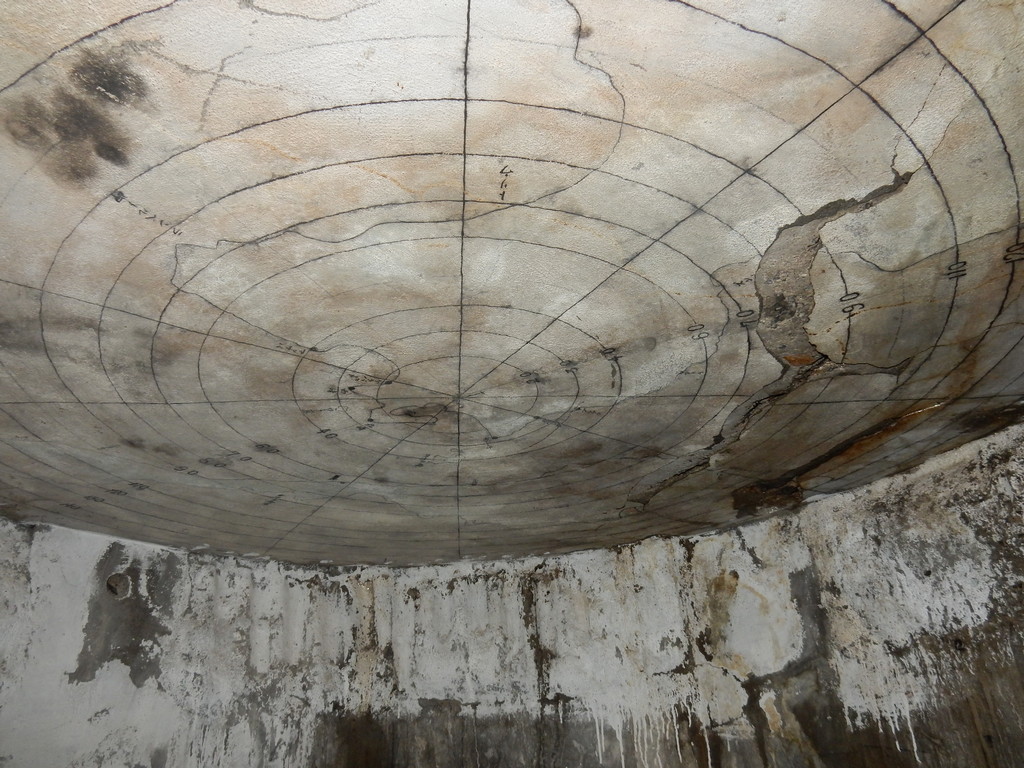
 The Map Room of Yamamoto's Bunker
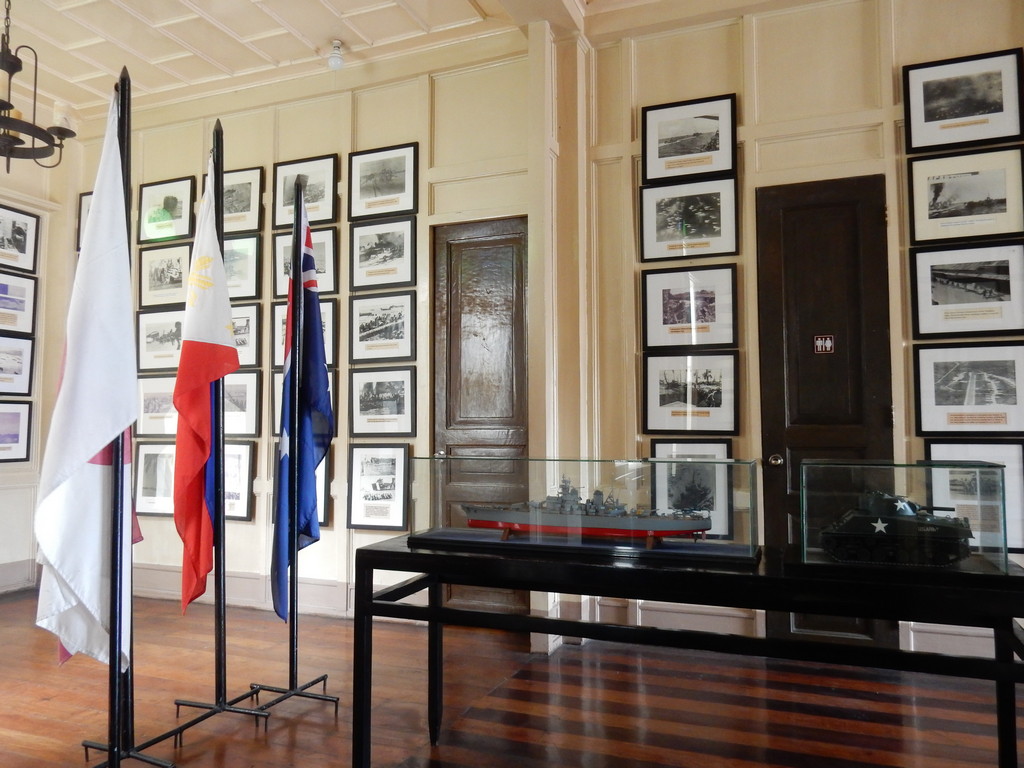
Next door was the New Guinea Club and Museum. The New Guinea Club is a social club, but also houses a bunch of historical items from World War II and the Colonial Past.
 One of the Pieces of Armament on the Front Lawn
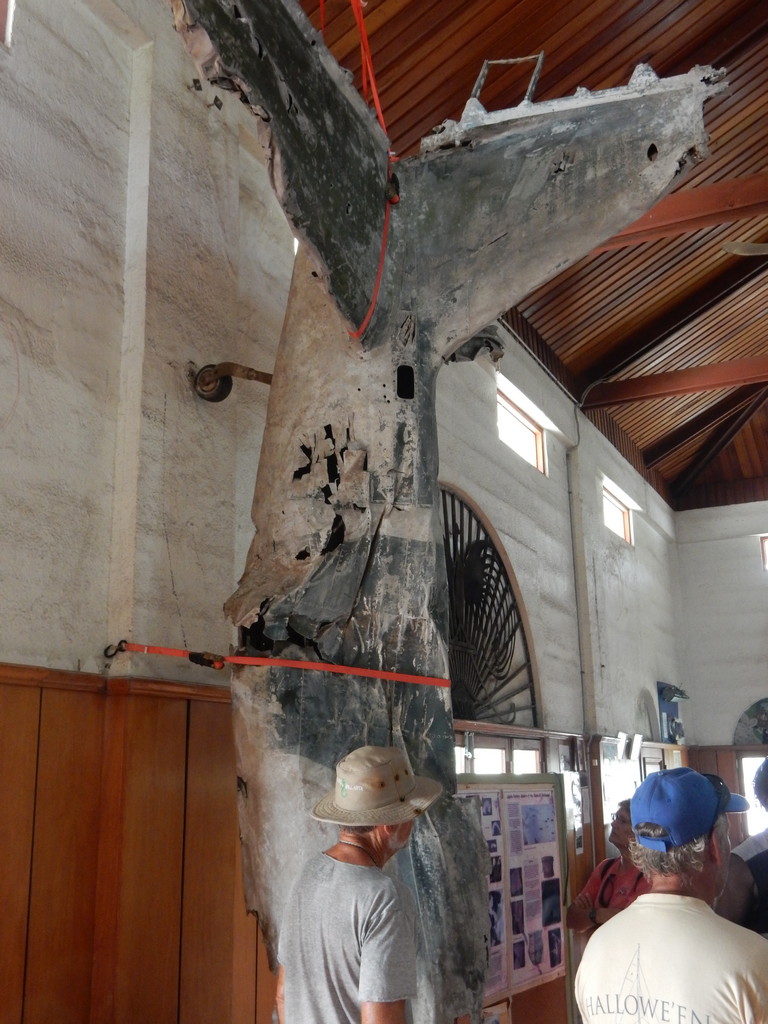
 A Japanese Plane Hanging on the Wall
Diving:
A Japanese Plane Hanging on the Wall
Diving: Rod Pearce gave us waypoints for the diveable wrecks in the harbor. He can fill tanks, but you need to supply your own gear. Sadly, between reprovisioning, touring, and the rain, we never got to dive any of the wrecks.
Eating Out: Besides Friday Night Dinner at Rabaul Yacht Club, we had lunch one day at the Rabaul Hotel, a 10-15 minute walk from RYC. It was good but a little pricey. They also offer dinner. There are many “Kaibar’s” in town. This is apparently the PNG version of a fast food place. We ate lunch a couple of times at the Kaibar at the Soho Grocery store. The lamb stew was OK and relatively cheap. You can also pick up cooked food at the market.
Clearance Out: On leaving Rabaul for the Solomons, we again visited the Customs officer in Rabaul, obtained a Customs clearance, and got our passports stamped out. The officials in both Rabaul and Kavieng were friendly, relaxed and accommodating. Not much paperwork, no boat visits, and a small cost only for Plant Quarantine on arrival in Kavieng. The Customs guy in Rabaul told us that Rabaul was the clearance port, not Kokopo.