Thursday, September 18, 2008

Our New Code 0 Sail


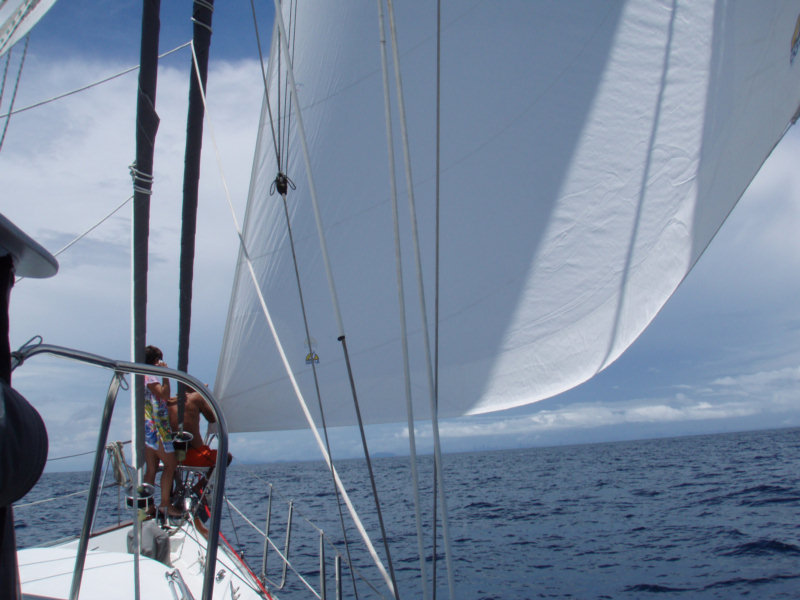
Dave has been talking about getting a Code Zero sail ever since I met him. On our first date, he showed me the Facnor roller furler that he had just purchased for it.

We have looked on all the used sail sites on and off for the past 2 years, and have been unable to find a used sail that would work. And by the time you buy it used and have it modified to do what we want with it... We talked to a few sailmakers at the last St. Pete boat show, and got some quotes. They were pretty expensive (in the $2000-$4000 range), so we put off doing anything.

But as the price of diesel fuel has been rising, and as we've been motoring around in light winds all summer long, we finally justified the expense by talking about cost savings at approx $4.50 per motoring hour here in Panama and probably more than that out in the South Pacific.

So with the ability to ship stuff to Panama pretty easily via Marine Warehouse, we went ahead and ordered a new Code 0 from Dave's favorite sailmaker (SuperSailmakers in Ft. Lauderdale, a Doyle loft). We took delivery of the sail in Colon just before we left... didn't even have a chance to get it out of the bag, though.

Finally, sitting on the mooring in Balboa, Dave hauled it out and he and Jim Yates (one of our visiting line handlers) rigged it up and got it rolled onto the furler.

With great anticipation, we rolled it out on our way to Taboga. It seemed the conditions were perfect... light winds on the beam.

It lasted about 10 minutes before the wind came up a little and broke the block at the top of the mast. Rats! And with the rise in wind came a wind shift... on our nose again.

The next day before we left the mooring, Dave found a replacement block and went up the mast to replace the broken one. (The cheek broke).

But on our way from Taboga to Contadora, the wind was almost on our nose the whole way. And, the distance was 40 miles to the closest anchorage, so we couldn't afford to stay out there messing around with sails all day. So we motored again. But we did notice that the lower attachment point of the sail, on our anchor tray, as far forward as we can put it, wasn't working out as anticipated. (the tray was lifting off the frame as we tensioned the luff).

So yesterday, hanging out at anchor at Isla Pedro Gonzales, Dave and Ron and Jim engineered a cobbled-up fix to the problem. I was busying doing other things, but there were sawing and drilling noises coming from the workshop. I'm sure Dave will explain the final solution when we have it working well. About dusk they seemed satisfied that what they had whipped up would work for now.

We are hoping to be able to sail today. We have 20 miles to go to the next anchorage.

Isla Taboga, Panama

The guidebook has a clearly-marked anchor in the harbor at Taboga, but where the anchor is is now filled with moorings.

We arrived on Sunday afternoon, and understandably, the harbor and the beach was pretty full of power boats from Panama City. As far as we could tell, everyone was on a mooring.

We hadn't thought to ask anyone about Taboga specifically, though we had gotten several tips from some new friends on Rhapsody on where to go in the Las Perlas (Pearl) Islands. The only cruising boats we could see in the harbor looked unoccupied. Where there were no moorings, it was over 50 feet deep (at high tide). Even the outer harbor had 4-5 large (about 200 feet long) Tuna boats.

Finally we saw a dinghy coming out from shore to a power boat on a mooring. They looked like cruisers and not locals. We idled over nearby and asked them about anchoring and/or mooring. They recommended we call 'Libre' on channel 74 and ask about a mooring. We called a couple of times, but didn't get an answer. Then we heard Rhapsody, back in Balboa, calling us and telling us to go to 77. We still aren't quite sure exactly why, since Libre was close ashore somewhere, but Rhapsody (8 miles away)
could hear Libre answering us. So they relayed for us and directed us to a mooring.

Later, Chuy and Susan from Libre stopped by in their dinghy. They are a cruising couple from California who have put down roots at Taboga, and they now run 'Taboga Island Moorings'. You can call or email ahead for a mooring at 507-6442-5712 or chusanandlibre@hotmail.com. They also do 'boat sitting' for people who need to leave the boat for a little while.

We didn't go ashore. It looked like a small town with a resort atmosphere... there is regular ferry service to Panama City/Balboa, and cell phone service, and even wifi. It's very popular with the Panamanians on the weekend, but gets a little sleepy on weekdays.

It was a nice enough anchorage, but a little rolly (our mooring was pretty far out). The only really bad thing was that the tuna boats ran their generators and lights all night long.

Isla Contadora, Las Perlas, Panama

Monday, Sep 15
Anchorage Position: 08-37.91N 79-02.39W

We left Taboga about 8:30 for the 40 mile run to the Las Perlas islands. We had chosen an anchorage on the north coast of Contadora, because someone told Dave that there was good diving there. The guidebooks talk a lot about the winter weather, but they don't say much about the summer weather. And we don't know the normal weather patterns here.

We had a nice day motoring across. We trolled two fishing lines, and did get several hits, but all the fish we pulled in were Bonito, which aren't very good eating.

When we arrived at the anchoring spot, it looked OK. Here again there were moorings in the anchorage, but also a couple of anchored cruising boats. So we picked a spot between empty moorings and anchored in 25'. Checking my trusty electronic tide table, we were at high tide, with a 15 foot tidal range. That means that at low tide, our 25' depth will shrink to 10' !!!

During the evening, dark clouds started to build. We had a pretty good lightning show after dinner. We were a little apprehensive about what the weather might bring during the night. But the weather held until early morning, when we really got hit... hard rain and lots of lightning and thunder very close by. We filled our water tanks and put the valuable electronics in the oven. Fortunately, no direct hits from the lightning.

The forecast was for strong SWly winds, and we were a little exposed to the SW. We heard a couple of boats on the net talking about Isla Pedro Gonzales. We remembered reading an SSCA letter from another cruiser saying that Pedro Gonzales was the best anchorage they'd seen on the whole west coast of Central America.

So when the rain let up, we set off for Pedro Gonzales.

Monday, September 15, 2008

Balboa Yacht Club

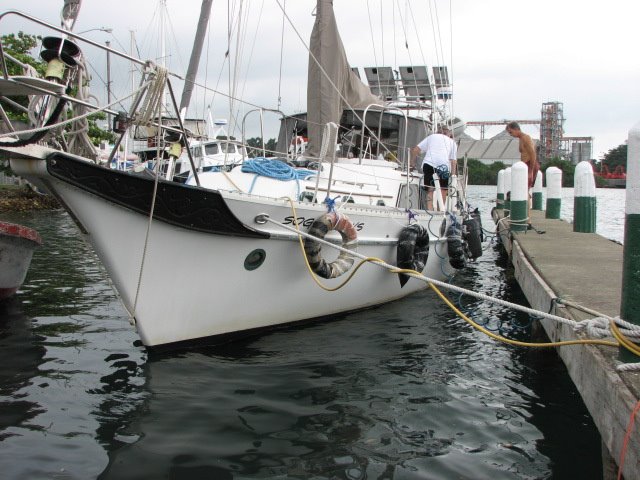
We stayed about 24 hours at Balboa Yacht Club, situated right at the entrance to the Panama Canal on the Pacific side.

A few facts:

- Only moorings there (no room to anchor right in this spot) - $22/night plus 5%
- Wifi available in the mooring field
- Free lancha, so you don't have to put your dinghy down
- Nice bar and restaurant
- BYC stands by on VHF 06
- The local cruisers are on VHF 74 and there is a net 8am every day except Sundays

- The HF net on this side is the Panama Pacific Net on 8143 USB, at 9am local time

We had to leave by Sunday afternoon, because Dave opted to check out of Panama at the Colon Yacht Club for Costa Rica (with intermediate stops), when we left Colon.

It was either that or check out of Colon for Balboa and have to check out of Balboa (another expense) later. What we didn't know when we made that decision was that we'd have to check out of Balboa, immigration-wise, within 48 hours of getting our Zarpe in Colon (or face a fine, or have to check back into Balboa). We were hoping the Balboa Immigration guy would let us stay til Mon morning, but no such luck.

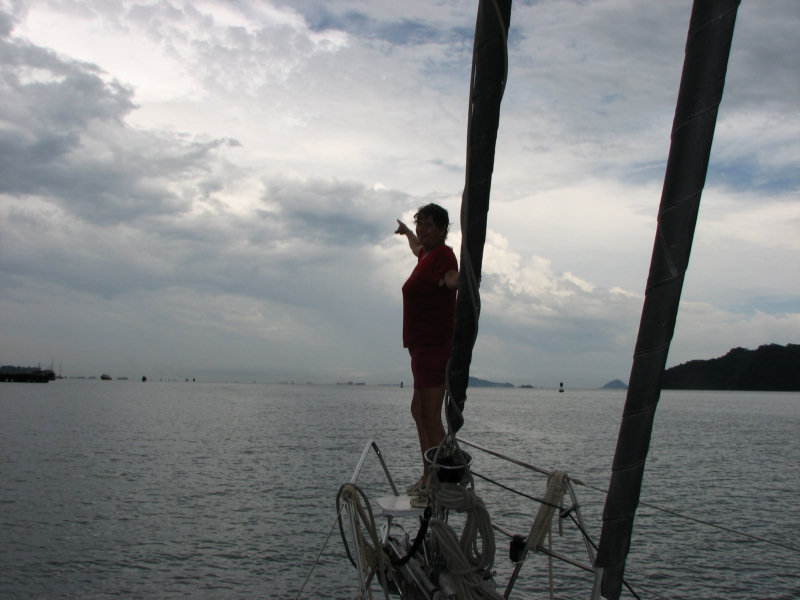
So we left BYC yesterday and sailed 9 miles SW to the island of Taboga.

Panama Canal - Locking in the Rain


Catching up a little...
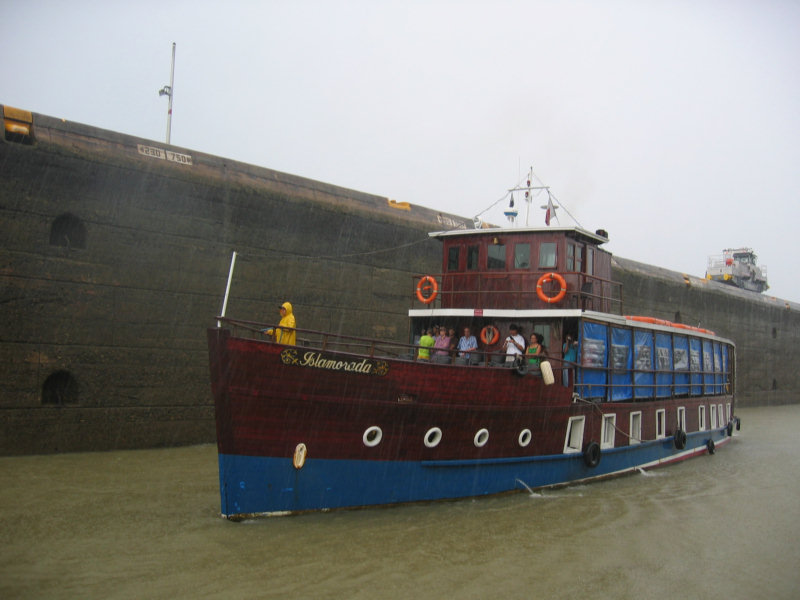
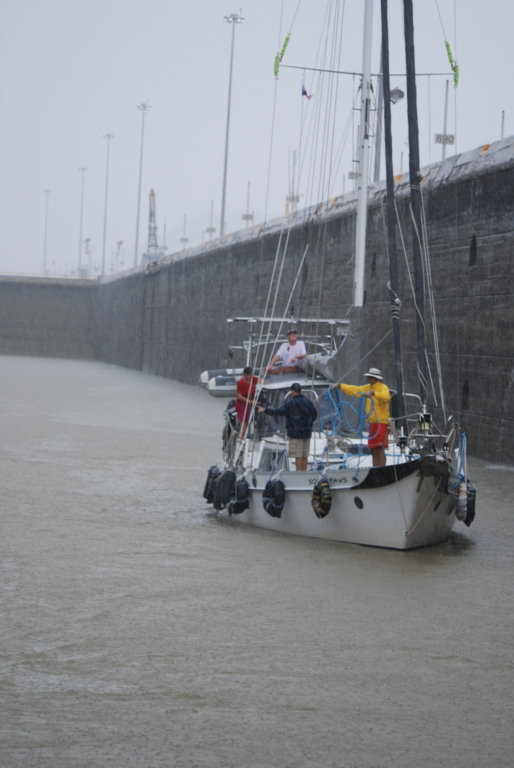
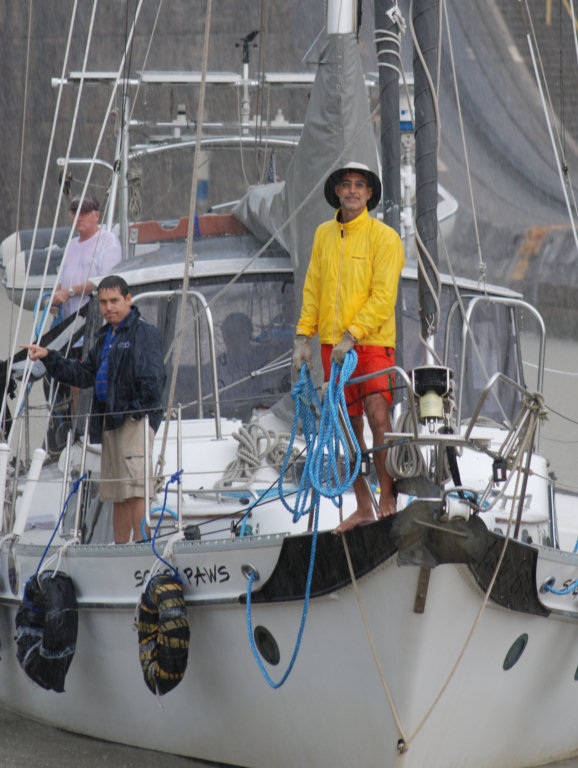
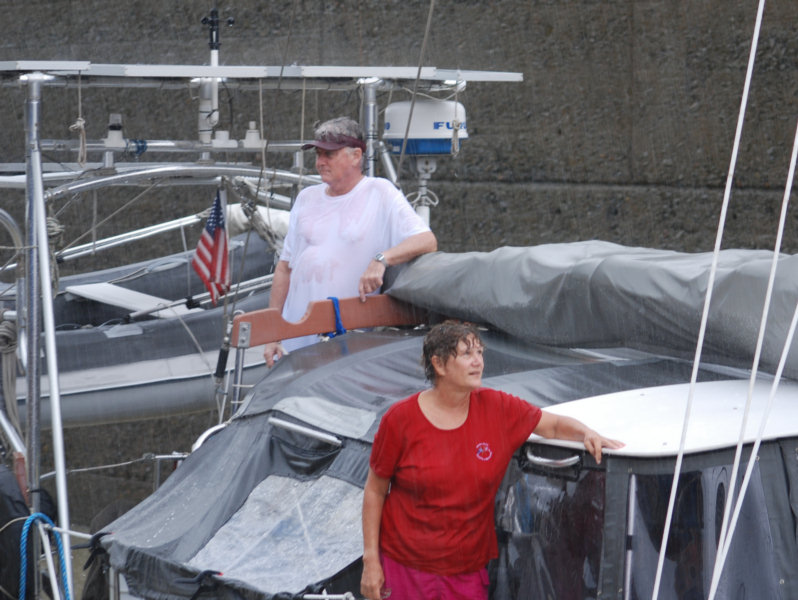
One of the passengers on the small cruise ship Islamorada that we rafted up with for the last set of locks sent us some pictures of us in the rain. (Thanks, Maria!)


Sunday, September 14, 2008

Panama Canal Transit - Our Crew

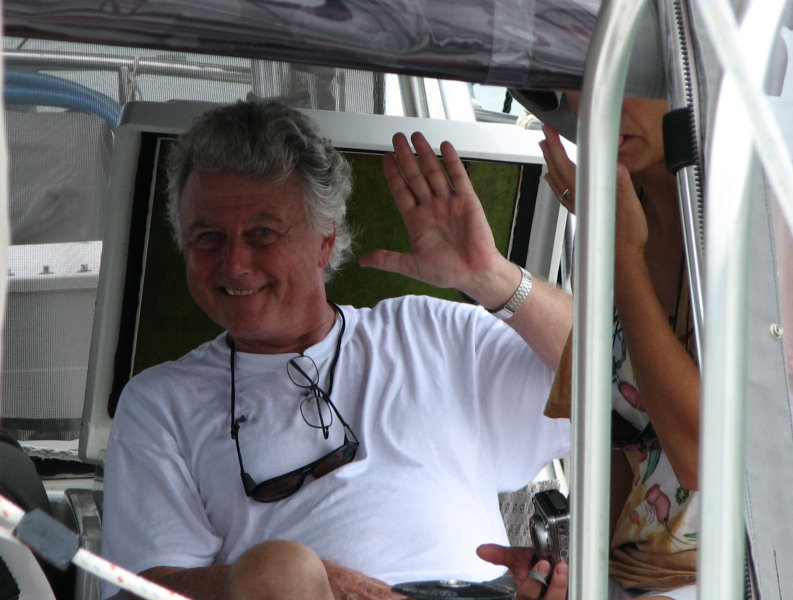
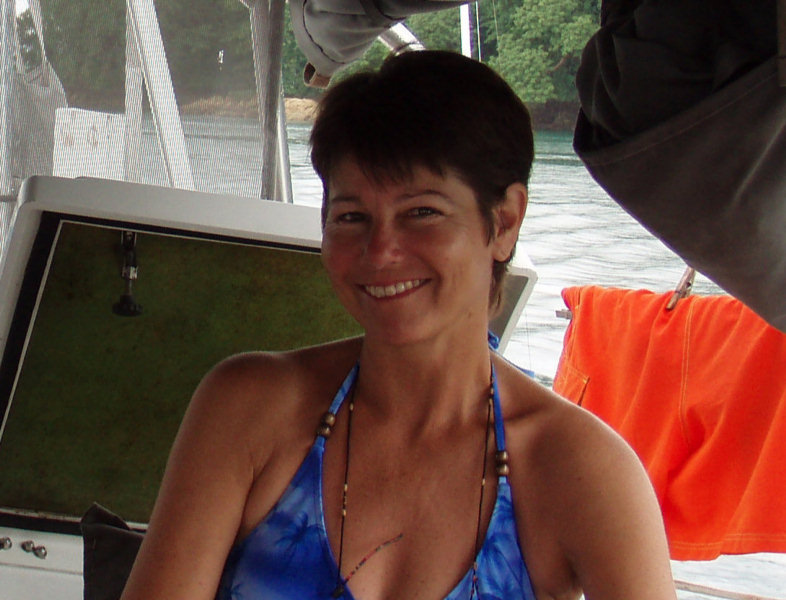
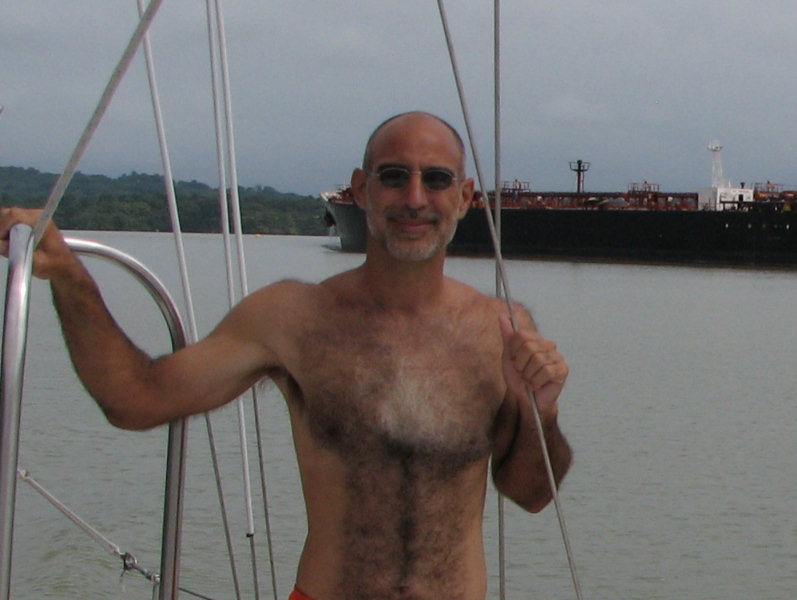
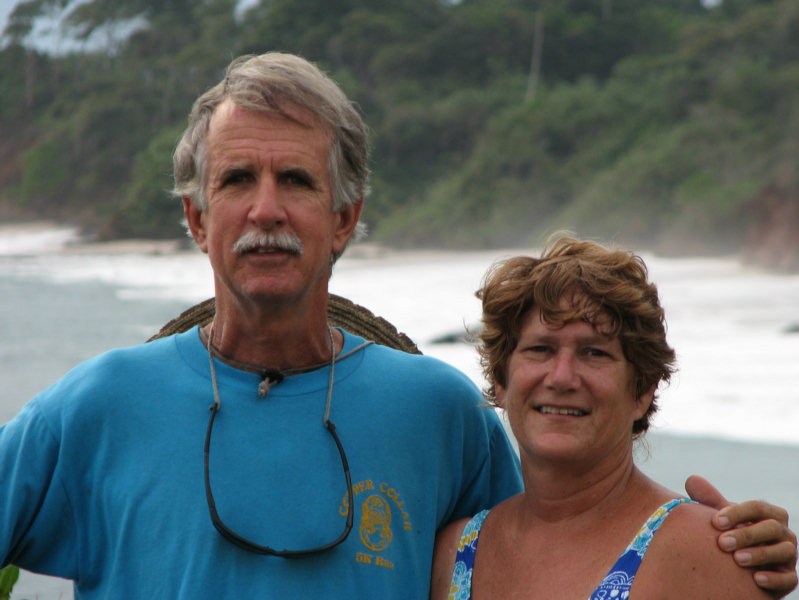
Just wanted to recognize and thank our crew... guest linehandlers Ron & Dorothy Sheridan, and Jim Yates, who flew down from Florida to help us out. And of course, Sherry, our 4th linehandler, and Captain Dave, who impressed our Advisors with his skill on the helm.

Ron Sheridan, owner/captain of the CSY 44 Pilothouse Ketch, Memory Rose, currently based in Guatemala


Dorothy Sheridan, Chef Extraordinaire and First Mate on Memory Rose


Jim Yates, owner/captain of the Roberts 56, Carisma AND the Lindenberg 28, Bad Penny, both currently based in Satellite Beach, Florida


Co-Captains Dave and Sherry McCampbell

The pictures on the Panama Canal and Las Perlas sections of the blog have been taken by one of the above people. We had 5 people and 7 cameras!!! Thanks crew for the help, the pics, and the memories!! See you in Tahiti!!

Panama Canal Transit - Day 2 Recap

When we woke up the next morning, there were about 8 large ships out there on the lake, between us and the main channel. From what we understand, part of the route between Gatun Lake and the next set of locks is too narrow for large ships to pass each other. (I think the part that's the problem is Galliard Cut, but I'm not sure). So they have to sequence the ships so there's a group that comes thru in one direction, and then a slug that comes thru in the other direction. And the tail end of each group waits in Gatun Lake.

Our Advisor Finally Arrives

We were up and ready to get going by 6:30am, as instructed. But our advisor didn't get there til about 8am. We got underway immediately and took the 'Banana Cut' route. It is a small boat channel, and saves about a mile and a half. We had about 25 miles to go to the next lock (Pedro Miguel), and an appointment for 12:30. So we had the pedal to the metal the whole time, even cutting corners on the wide sweeping channels (at the direction of our advisor) to save time. It was a pretty trip but I didn't see much of it... I was too busy feeding people. Jim and Dorothy took lots of pics. I was making breakfast and lunch, mostly.

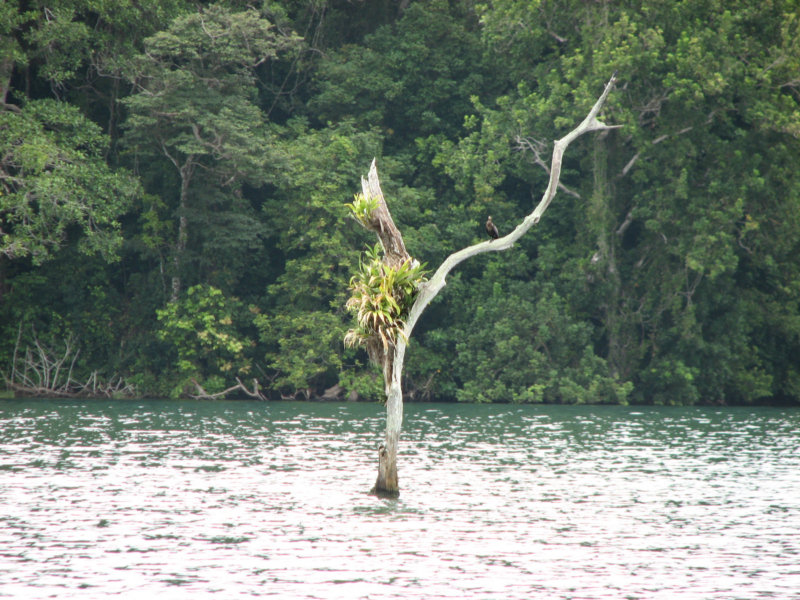
You Can Still See Trees from When Gatun Lake Was Flooded

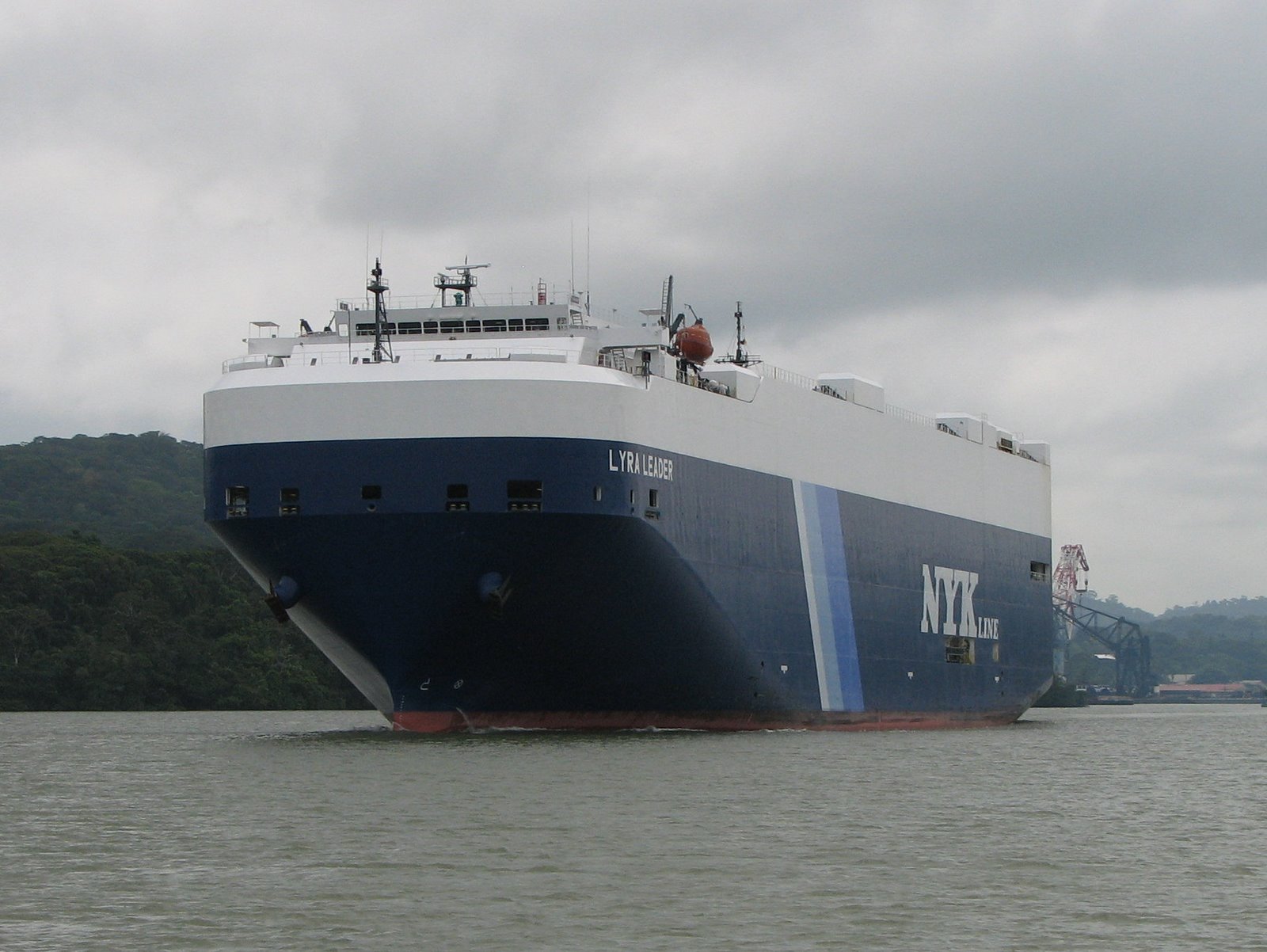
A Car Carrier called a RoRo (Roll On, Roll Off)

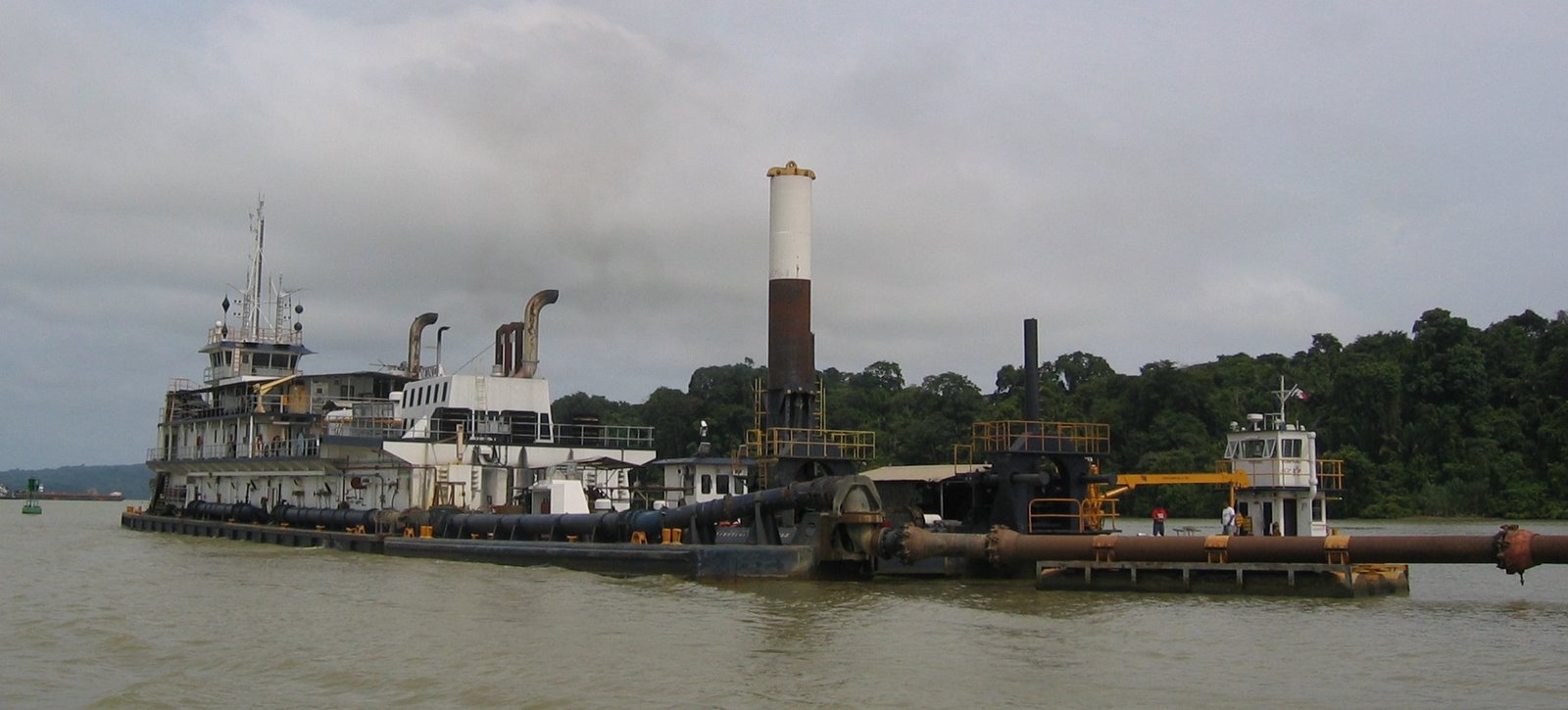
Dredges Keeping the Channel Open

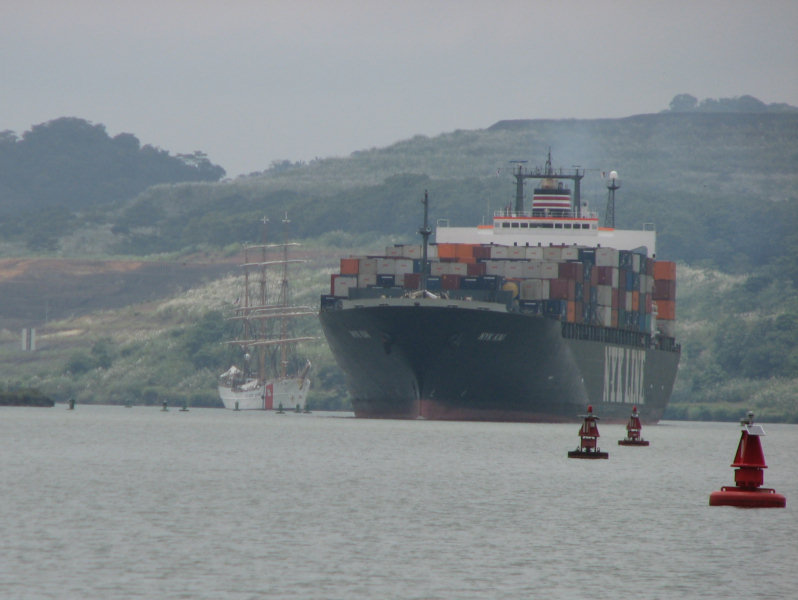
Ships Passing By in Channel

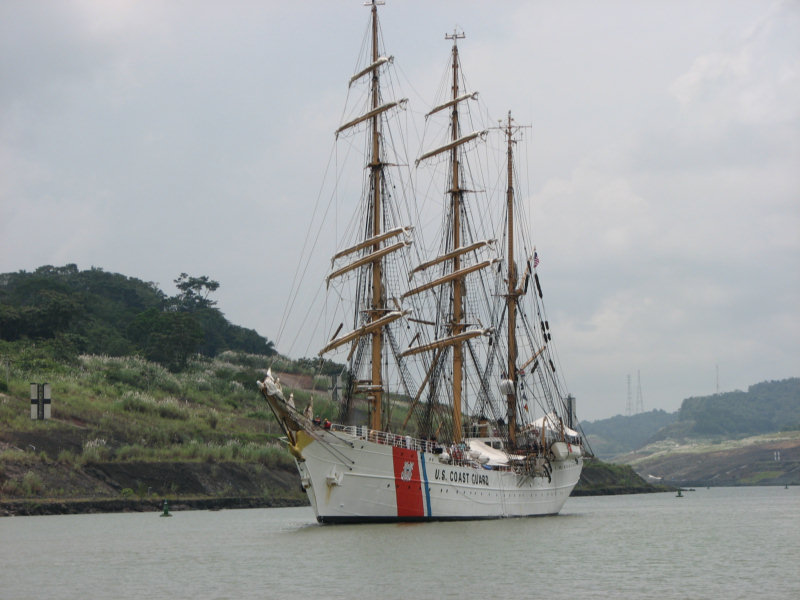
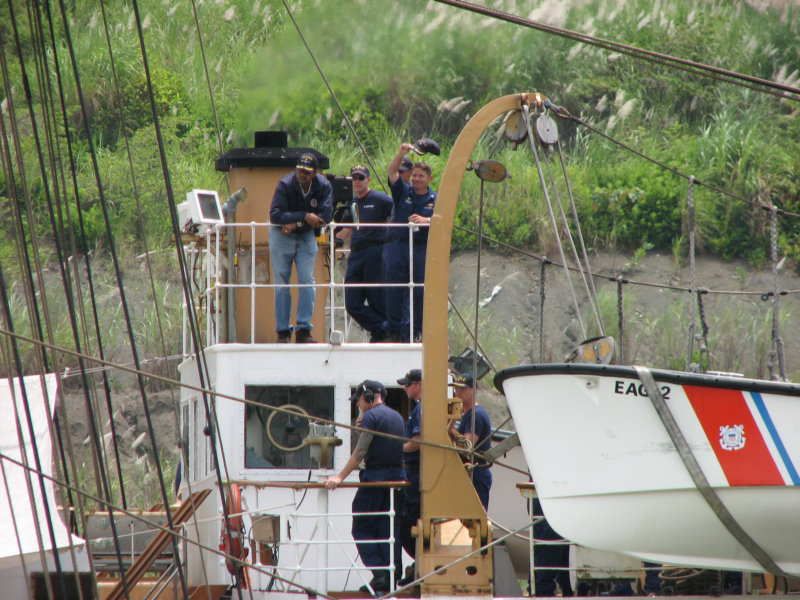
The USCG Training Ship Eagle


The down locks on the Pacific side are two sets of locks... Pedro Miguel and Miraflores, about a mile apart. I think there are 2 chambers in Pedro Miguel and 3 in Miraflores. As we started into the first chamber at Pedro Miguel, the dark storm clouds that had been gathering finally opened up. It absolutely poured on us for the entire time we were in the locks.

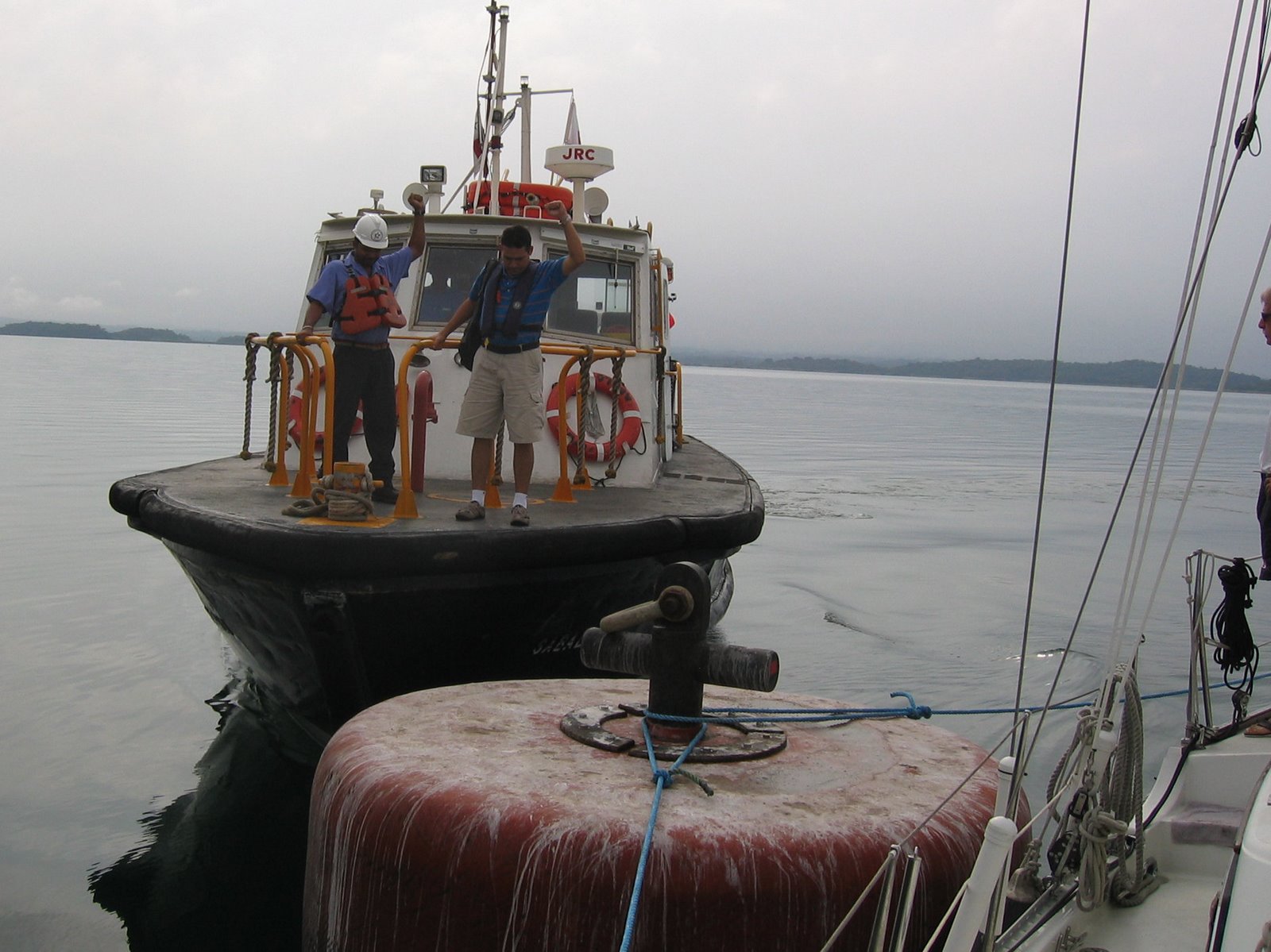
As we pulled out of the last chamber at Miraflores, the rain quit. Our advisor (who had said, when Dave asked him if those dark clouds were going to rain on us, "No.") said he had never been in the locks in such heavy rain. He was not dressed for it... he had a jacket but it was more a windbreaker than a heavy rain jacket. At one point, once we got secured, he gave his radio to us to keep it dry (they are special radios on special frequencies, not standard VHF).

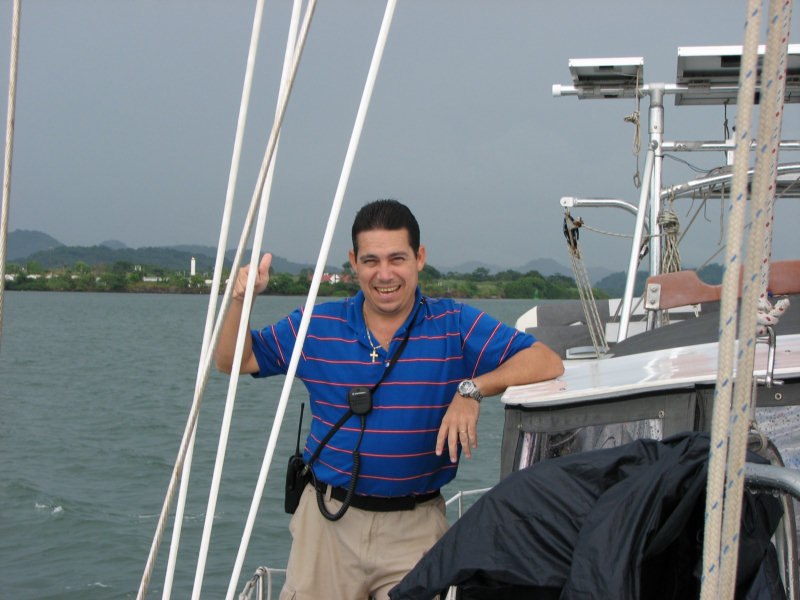
Our Advisor, Happy to Be Through the Locks Safely

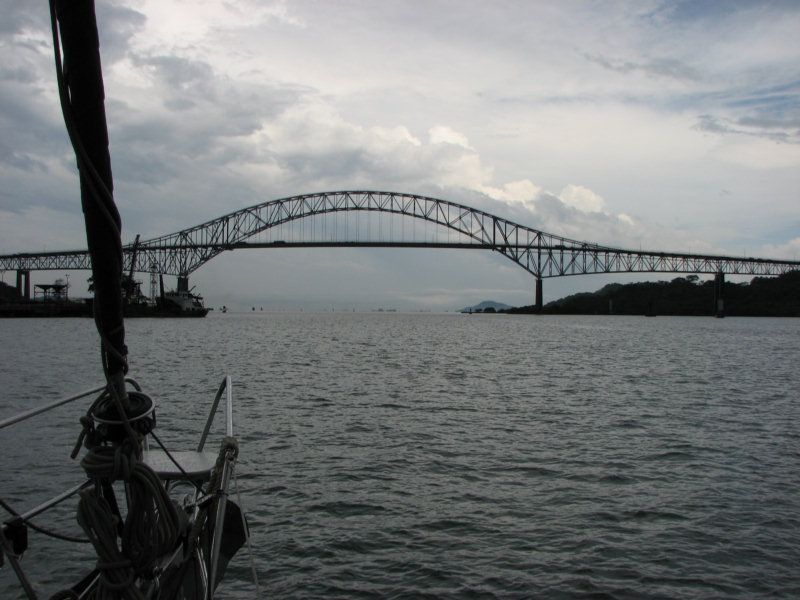
Once you exit at Miraflores, you are only a few miles from Balboa Yacht Club, passing under the famous Bridge of the Americas.

The Bridge of the Americas

Onward To The Pacific!!!

We had called ahead on the phone a couple of days before to get a mooring at Balboa Yacht Club. They don't take reservations, so we called the afternoon before and again the morning of. Fortunately this time of year it's low low season, so there was a mooring available. For $25 a nite, it's not bad... convenient. But not absolutely necessary.

Now that we've been in the Flamenco anchorage, that would be perfectly fine too. (The Flamenco anchorage, at least this time of year, is around on the other side of the causeway from BYC, pretty much right where Bauhaus shows it). In the Flamenco anchorage you pay $5.25 per day for dinghy dockage, for a floating dock with security. They supposedly have a $5/bag trash fee, but we've never been asked for it yet. Dave thinks the dinghy dock fee is reasonable, and apparently there's no way around it... we've asked several people and there seems to be no other place to leave your dinghy on this side of the causeway. But someone else told us that they don't enforce/check your receipt. So if you pay for a few days at a time, once a week or so, you can cut your costs by a third to a half. However, you know Dave, he insists on following the rules, so we are paying for every day.

Customs/Immigration issues... You have to get a zarpe for somewhere when you leave Colon. Your choice is to zarpe to Balboa, and then pay for another zarpe later to leave the country, or zarpe onward to whereever you are going next. For us, that was Costa Rica. For only $20, Tito in Colon got us our onward zarpe. Versus paying about $50 in Balboa on top of a $20 zarpe for Colon to Balboa. What we didn't realize when we made the decision was that, once you have your international zarpe, you have 48 hours to clear immigration and (theoretically) leave Balboa.

There is an immigration guy at Balboa Yacht Club, and our 48 hours was up at 5pm the day after we completed the transit. Dave asked him if we could stay overnight and leave in the morning, but he said we had to leave that day. With him right there, we couldn't really stay. So we left for Taboga that afternoon (only 7 miles away).

Panama Canal Transit - Day 1 Recap

The transit wasn't very hard. We had good advisors on both legs (the evening lock up, and the next morning lock down). They both spoke good english, knew what they were doing, and knew enough about small boats to understand the situation. Dave is really good at driving Soggy Paws, so everyone was pretty calm.

Getting Ready to Leave Panama Canal Yacht Club

On the lock up, we were supposed to 'side tie' to another vessel. That's what Dave requested when we scheduled our lockage, and that's what the plan was when the Advisor got on board. He even pointed out the boat we were going to tie up to (the Islamorada, see pics in another post)

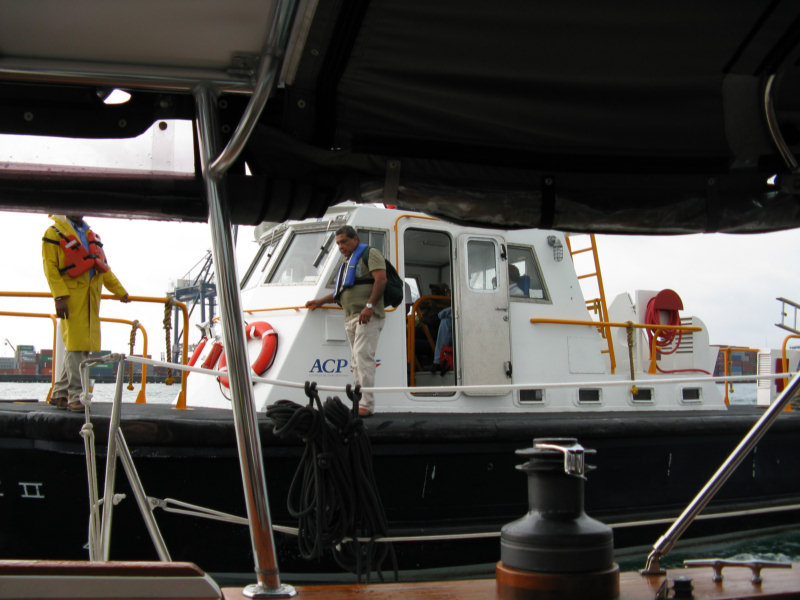
Our Advisor Comes Aboard Near The Flats

But as we were getting lined up for the first lock, he said the plan had changed. It was something about that it was not safe to have 3 small boats AND a big boat in the locks at the same time. And we were the last guy/smallest boat. So we got bumped to the other lock (there are 2 locks side by side) doing what's called 'center chamber', behind a big ship. (They always put the small boats behind on the up-locking and the small boats in front on the down-locking).

Waiting Our Turn To Go In

The reason you want to request 'side tie to a tug' is that you raft up to the tug (or larger vessel) and THEY handle the lines along the wall. We just tie up to them. It's much easier for the crew on your own vessel. (As long as the crew on the other vessel is competent.)

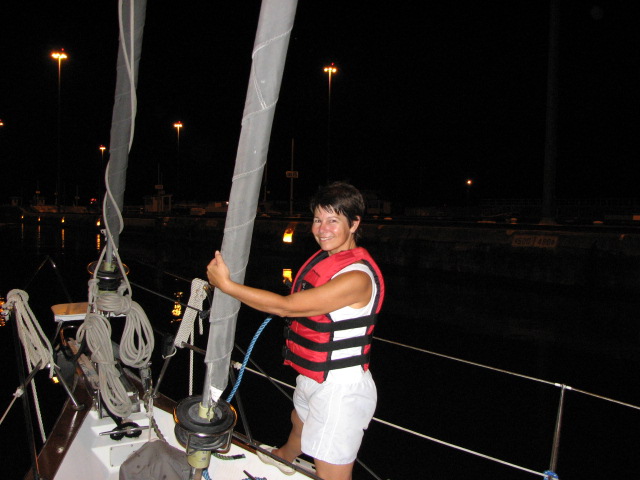
'Center chamber' meant that we had to work... They put us in the middle of the chamber, behind the big ship. We had our 4 long lines out bow and stern, and then we had to keep tightening the lines as the water rose.

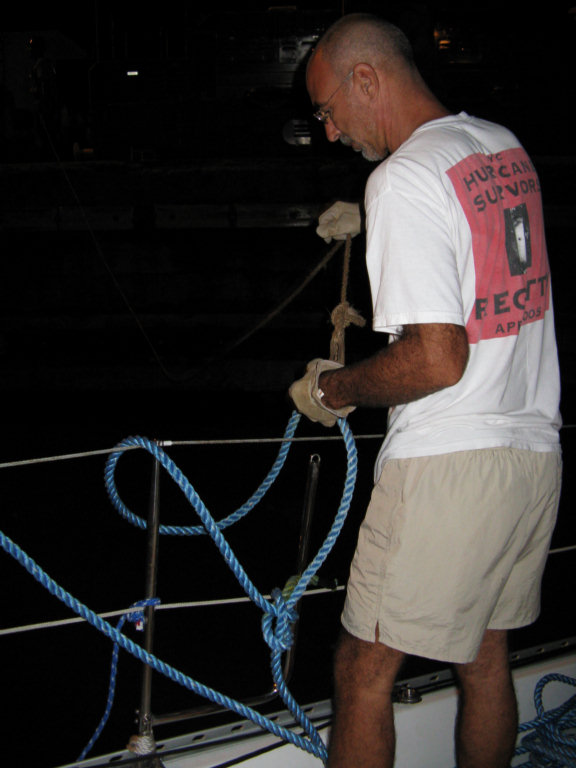
As we approached the lock, we had our 125' lines ready with a loop in one end and flaked out on deck, with the bitter end secured to a cleat. The Canal line handlers up in the lock threw us a monkeys fist tied to small line, and we tied that around our loop, and they brought the loop up to them and dropped it on a bollard. Then we tended our lines as the water rose.

Jim Readies His Line

It was really hard work... the lines are so thick and stiff that we had to pull the slack in on the line with one hand and take it up around the cleat with the other, bending over the whole time. Because of the way the water comes in, it pushes the boat from one side or the other, so usually only the lines on one side or the other of the boat get any slack in them. The boat line handlers on the other side just keep their line secure.

In the first chamber, Ron and I were on the stern, and I did all the work. Ron gallantly offered to switch sides with me for the next chamber, and I gratefully switched sides with him. But the direction of the 'push' switched sides too, so I had to work again.

Dorothy, up on the starboard bow, had a little trouble getting her line secured at the first chamber, but we had Jim Yates on the bow with her, and the advisor was right there helping out a little also. By the second chamber, we were all 'old hands', and had no further problems.

Dorothy on the Starboard Bow

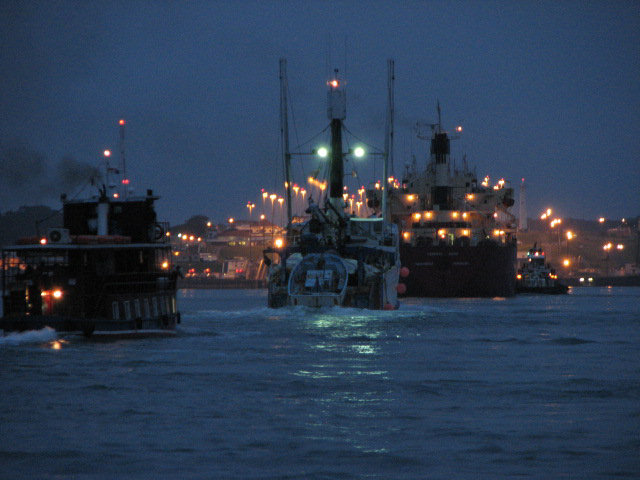
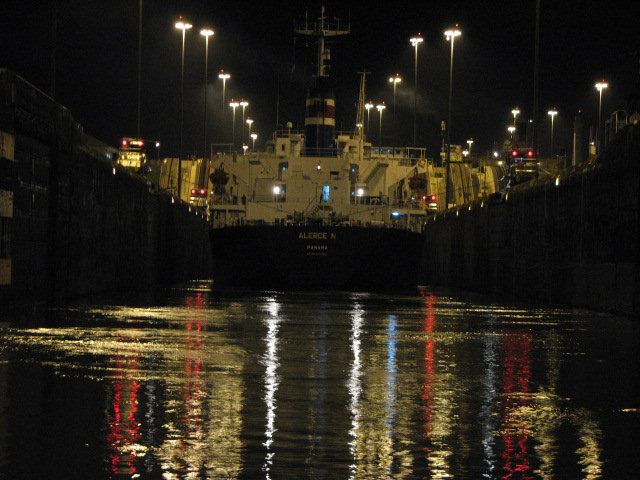
Locking up at night wasn't hard. We took the advisor onboard at 5pm and got to the approach area of Gatun Lock about 6pm. We had to wait for the other boats (a large ship and 2 other smaller boats). We got to the first chamber before dark, and then once in the locks, it's all lit up.

Entering Gatun Lock at Night

When we got thru the last chamber at Gatun Locks and went out onto the lake, it was pretty dark out there. Though our advisor knew about where it was, and it would show up on radar, a waypoint for the bouy would have been useful.

Gatun Lake Sailboat Bouy: 09-15.665N 079-54.138.

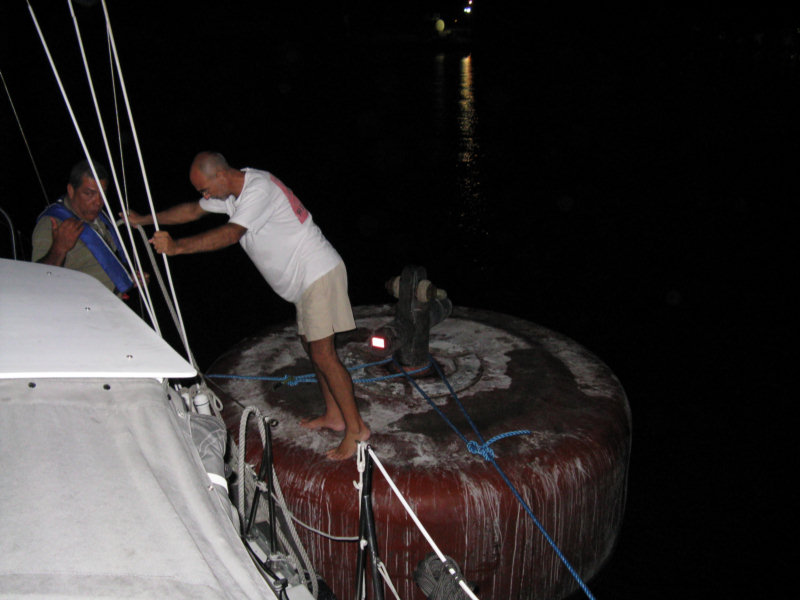
There are two huge moorings there, and at least 4 35-55' boats could raft up to the two, easily. The moorings are so big that you don't tie off to it from the bow, but actually side tie (raft) to it.

Jim on the Mooring in Gatun Lake

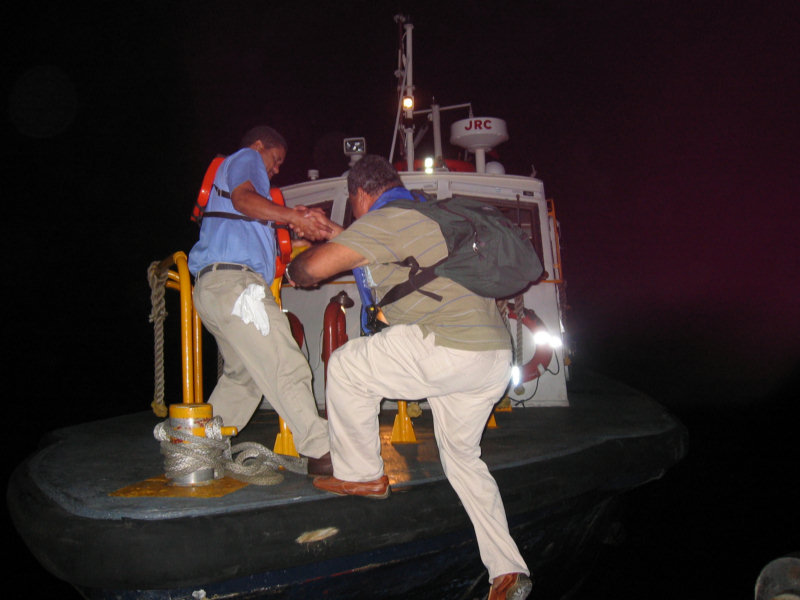
We finally got secured about 10pm, and the pilot boat showed up about 10 minutes later to take our advisor off. The Soggy Paws crew had a congratulatory drink and a snack, and went promptly to bed.

Our Advisor Leaves for the Night

We were the only boat we could see on the lake. The other two smaller vessels that we were supposed to have been locking through with... a large fishing vessel and an excursion boat (the Islamorada) had gone on. Unfortunately, it's not as exotic and remote as it sounds... The mooring was off some kind of maintenance facility that was also pretty lit up. But we did hear a very loud troupe of howler monkeys on shore. We looked for, but did not see, crocodiles.

In the Pacific Ocean!!!


With 4 cameras aboard, we took about a billion pictures yesterday and today. I will post a few very soon.

But we are now on a mooring at Balboa Yacht Club in the Pacific Ocean. Yahoo!

No problems on the transit (other than getting very wet handling lines). We had good advisors (one last night and one today).

Thanks, Nicki... great job posting. Sorry about the raindrops on the camera... it poured rain the whole time we were in the Pedro Miguel & Miraflores locks. (and quit just as we pulled out of the locks).

Crew is celebrating. More tomorrow!

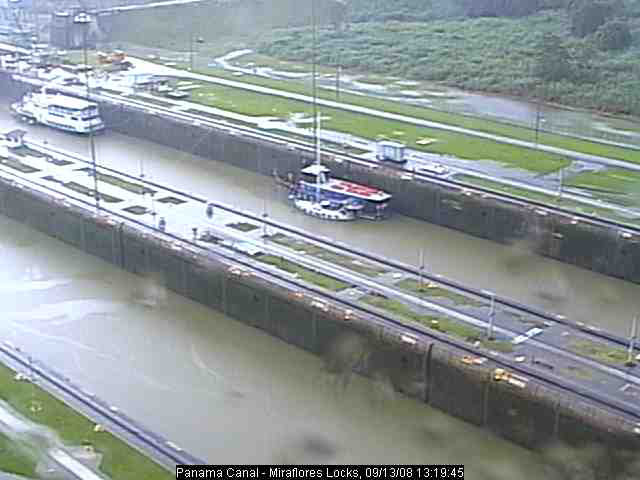
Panama Canal - Miraflores Lock


Thanks to cousin Bryan for capturing this picture as we locked thru at Miraflores!